
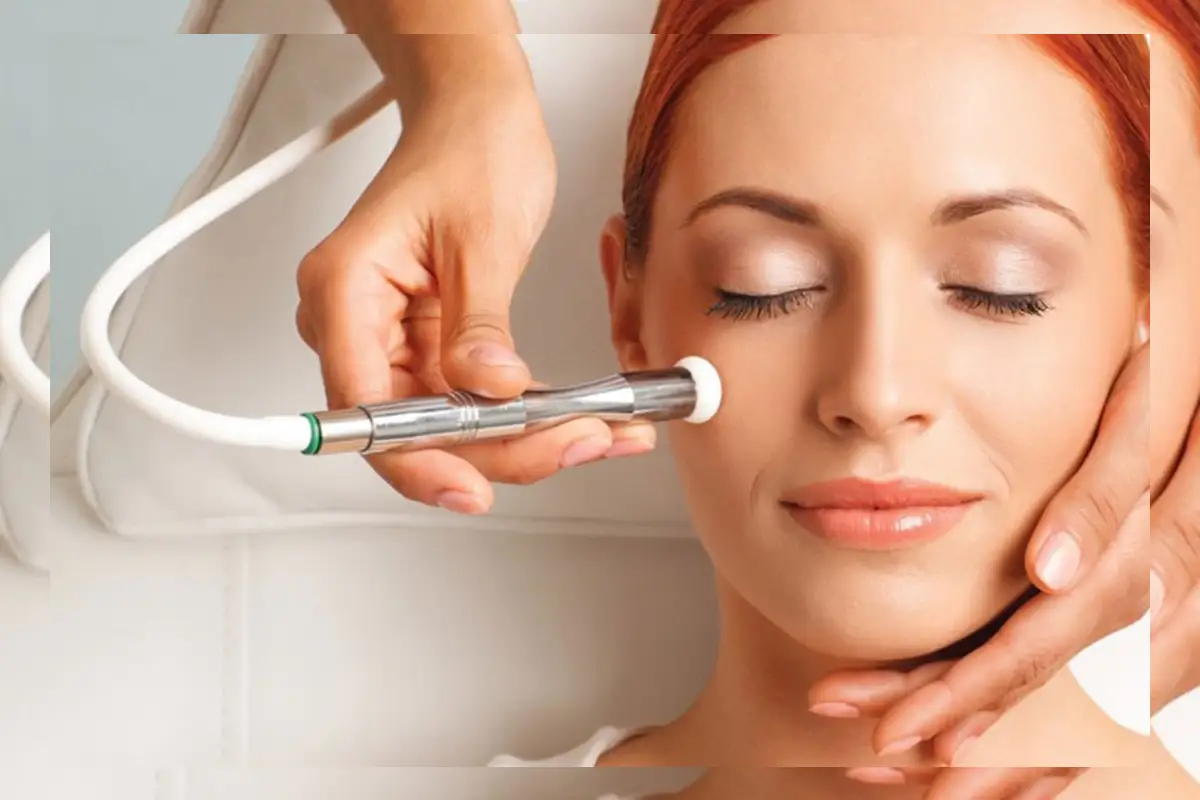
Aesthatic facial laser:Among the various aesthetic medicine treatments, the laser for aesthetic purposes of the face makes it possible to correct wrinkles, spots or tighten the skin. These lasers work by “peeling” by rubbing the surface layers of the skin.
This Article Belongs To Beauty Treatments
Definition and purpose of the aesthetic facial Laser
Definition of Laser
The laser stands for Light Amplification by Stimulated Emission of Radiation. Laser resurfacing, also known as laser peel or laser vaporization, is a popular cosmetic treatment used to improve the appearance of facial wrinkles and other skin imperfections.
The laser is a treatment that allows abrasion of the skin by thermal action. Therefore, we distinguish it from peeling, which performs chemical abrasion of the skin.
Objectives of Cosmetic Laser Treatment of the Face
- Smoothing of the look and correction of superficial wrinkles: The palpebral, labial, frontal, and chin regions are the most commonly affected.
- Correction of deep wrinkles caused by sun damage and skin aging.
- Removal of facial spots.
- Correction of facial scars: depressed scars and acne scars.
- Tightening of the skin through a pulling effect that can improve skin firmness.
What Are Lasers Used to Treat the Face, Especially Wrinkles?
Most Effective Aesthetic Laser Treatments
- Ultra-pulsed or scanned CO2 lasers
- Erbium lasers
These treatments can be effective but are more intensive because a controlled burn removes the skin’s surface. In this case, the skin subsequently rebuilds itself.
However, it can take a fortnight or sometimes more to recover from regular activities.
Photo-rejuvenation lasers have a gentler, essentially epidermal action. They are much less aggressive than CO2 or Erbium lasers, but their effects are generally more limited.
They usually do not cause noticeable complications and may not require anesthesia or significant social exclusion. They can improve radiance and complexion and reduce the appearance of fine lines. However, they do not treat deep wrinkles as effectively as ablative laser treatments.
For additional information about laser resurfacing and other dermatologic procedures, patients can consult the American Society for Dermatologic Surgery.
How Does the Laser Work to Treat Facial Wrinkles?
Laser Treatment Under Computer Control
The laser beam acts through controlled photovaporization of the superficial layer of the skin, including the epidermis and, depending on the desired goal, the superficial dermis. This creates a controlled thermal injury.
The depth of vaporization is controlled by factors such as the number of passes of the laser beam, the energy emitted, and its density. Therefore, the treatment parameters depend on the size of the defect to be corrected, the area being treated, the quality of the skin, and the desired goal.
Healing After Laser Treatment
The destroyed surface layer then regenerates through natural healing processes involving cells in the dermis as well as structures associated with hair follicles and sebaceous glands. This process is known as re-epithelialization.
However, during this phase, the skin remains fragile.
The restoration of the skin’s surface can create a smoother appearance and reduce some of the imperfections being treated.
In addition, dermo-epidermal healing can result in some contraction of the skin, creating a natural skin-tightening effect. The degree of tightening varies from person to person.
Results of Cosmetic Laser Treatment of the Face
After several months, the final result may show smoother skin with a tightening effect and a regenerated epidermis.
The goal of these treatments is to improve the appearance of the skin rather than achieve perfection. Individual results depend on factors such as skin condition, treatment type, and healing.
In the case of CO2 or Erbium laser treatment, social downtime may last around two weeks. The final result can continue developing over several months, while the duration of the effect varies depending on the patient’s skin and other factors.
Results from non-ablative photo-rejuvenation treatments generally develop progressively and may require multiple sessions.
What Treatments Combine With Facial Laser?
Laser treatment focuses primarily on the skin’s surface and can sometimes be combined with procedures designed to address other aspects of facial or body aging.
For example, surgical procedures such as lifting or blepharoplasty may be considered alongside appropriate skin treatments. Similarly, cosmetic procedures involving other areas of the body can be part of a broader aesthetic treatment plan, such as female genital surgery.
For patients considering procedures that address abdominal skin and tissue, information about a best tummy tuck surgeon in PA or a comprehensive guide to tummy tuck surgery can provide additional background on surgical approaches.
Other cosmetic procedures may also be considered depending on the patient’s individual goals. These can include non-surgical treatments such as Kybella to diminish the double chin.
Some patients may also research body-contouring procedures such as silicone breast implant removal with fat transfer augmentation when considering broader cosmetic treatment options.
Other approaches to wellness and body care, including cupping, are also discussed in cosmetic and wellness contexts, although they serve different purposes from laser resurfacing.
Where Does the Laser Treatment Take Place?
Laser procedures should be performed in an appropriate medical setting by qualified professionals with experience in the specific laser treatment being used.
The Interest Is Multiple
- Latest-generation lasers may offer different treatment options.
- Multiple laser technologies can be selected according to the patient’s individual needs.
- Appropriate maintenance and safety procedures are essential.
Aesthetic Facial Laser Treatment Session
We have summarized the process in a practical format.
Before the Intervention
For some ablative laser treatments, preparation may include skin cleansing, fruit-acid or vitamin-A-derived creams, antibiotic coverage, or anti-herpetic medication during the weeks preceding CO2 or Erbium laser treatment, depending on the practitioner’s recommendations.
Photo-rejuvenation procedures may require less preparation.
Anesthesia
Depending on the treatment and the area being treated, anesthesia may include:
- Local anesthesia
- Locoregional anesthesia
- General anesthesia or neuroleptanalgesia in selected circumstances
- Photo-rejuvenation generally does not require anesthesia.
The Laser Session
The skin is cleaned and disinfected, followed by the installation of sterile drapes.
Safety Instructions
Appropriate protection is important during laser treatment.
- Protection of the patient’s eyes, hair, eyelashes, and eyebrows.
- Protection of the teeth and oral structures when necessary.
- Protection of the eyes of the operator and all persons in the treatment room with appropriate protective eyewear.
Laser Abrasion
The treatment is performed using a computerized handpiece. The surgeon directs the laser beam onto the area being treated. The laser spot, whose size and shape are selected by the operator, vaporizes the skin surface through a process known as photovaporization or thermal abrasion.
The depth of vaporization is controlled by varying factors such as emitted energy, fluence, laser spot density, and the number of passes.
This depth depends on the size of the defect being corrected, the area being treated, the quality of the skin, and the desired goal.
The surgeon can assess the skin’s response during treatment and adjust the parameters when necessary.
End of the Laser Session
With CO2 or Erbium laser treatment, the end of laser abrasion may leave the dermis visible, which can result in oozing. The treated area then needs to be covered and protected.
This may involve:
- A closed dressing, dry or greasy, that is changed regularly because of oozing.
- An open dressing involving the application of a suitable protective ointment several times daily.
In the case of photo-rejuvenation, the skin may appear slightly pink, and a dressing is generally unnecessary.
Follow-Up After Cosmetic Laser Treatment of the Face
In the Case of Photo-Rejuvenation
There is generally little or no social downtime.
Some redness may appear during the hours following treatment, but it commonly subsides relatively quickly.
In the Case of Erbium Laser Treatment
Immediately after treatment, abrasion exposes the dermis, which can lead to redness, edema, and oozing.
Healing may take approximately 10 to 15 days, depending on the treatment depth and individual healing response.
Appropriate makeup and sun protection may be recommended once the skin has sufficiently healed. Erythema, or a red or pink appearance of the treated skin, can remain for weeks or longer.
The skin can feel uncomfortable, dry, fragile, irritated, or intolerant of usual beauty products for several weeks. Temporary episodes of redness and heat can also occur.
Regarding sun exposure, strict sun protection is particularly important after laser resurfacing. Patients should follow their practitioner’s recommendations concerning sun avoidance and broad-spectrum sunscreen.
This period of follow-up can sometimes be challenging for patients. Your practitioner can provide guidance during follow-up consultations and help monitor the healing process.
Risks of Cosmetic Laser Treatment of the Face
Although performed for aesthetic reasons, laser abrasion of the face represents a controlled injury to the epidermis and potentially the dermis. Therefore, it involves risks associated with medical and surgical procedures.
Complications are uncommon when appropriate techniques are used, but patients should understand the possible risks.
These may include:
- Herpes: Antiviral treatment may be prescribed before and after treatment when appropriate.
- Microbial infection
- Acne breakout
- Milia: Small white cysts that can appear during healing.
- Hyperpigmentation: Particularly possible in darker skin types and often temporary; sun exposure can increase the risk.
- Hypopigmentation: A lighter skin color that may sometimes be persistent.
- Persistent redness
- Healing disorders and hypertrophic scars: Possible but uncommon.
- Allergic reactions: Products used for skin preparation or aftercare can cause reactions, so previous allergies should be discussed with the practitioner.
- Pain or burning sensations: During the first few days, patients may experience warmth or burning in the treated area. Appropriate pain medication may be prescribed.
Preliminary Result
The outcome depends on factors including the extent of the skin defect being corrected, the treatment depth, skin type, and individual healing response.
In some cases, a practitioner may recommend waiting for a significant period before considering another treatment so that the skin has sufficient time to recover.
Laser treatment also requires careful protection of sensitive organs from the laser beam. Appropriate eye protection and other protective measures are therefore essential throughout the procedure.