
Table of Contents
Cupping
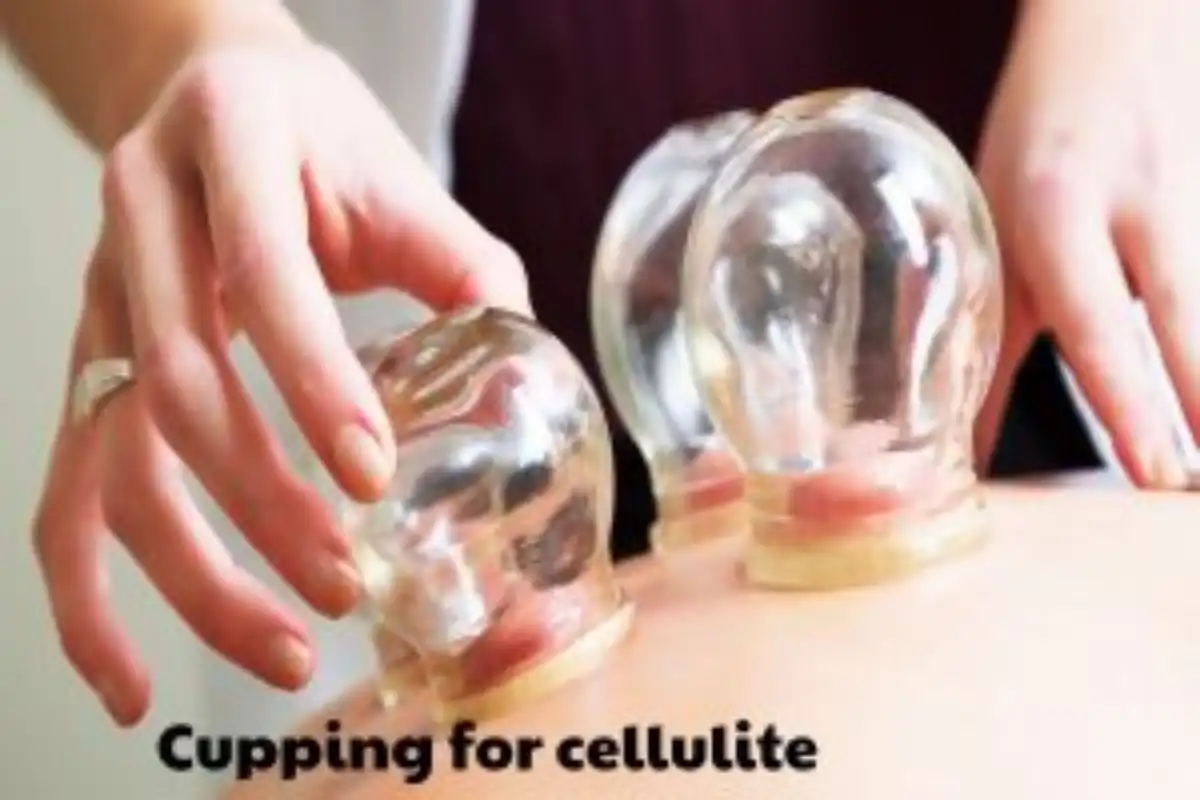
Cupping or cupping therapy is one of the treatments sometimes used in attempts to improve the appearance of cellulite. Cellulite is characterized by dimpled or uneven-looking skin and is very common among women.
Gynecoid lipodystrophy affects more than 90% of women. However, medical-aesthetic advances continue to provide various approaches for managing its appearance.
This Article Belongs To Beauty Treatments
Cupping for Cellulite
A pilot study has examined the effects of suction cups when applied over multiple sessions. Of course, the appearance and degree of cellulite can vary according to factors such as age and skin characteristics.
In other words, the younger the age and the more nascent orange peel skin, the more extensive and sharper the results. So join us if you want to delve into cupping therapy.
For reliable information about what is currently known about cupping, including its potential benefits and risks, see the National Center for Complementary and Integrative Health (NCCIH) information on cupping.
What is Cupping?
This therapy has its origin in traditional Chinese medicine. This medical tradition maintained that diseases were produced by blood stagnation, resulting in a low energy load.
Thus, practitioners used cups in the form of suction cups to promote blood flow and support natural healing.
The body starts a natural healing process by responding to the localized suction and stimulation of the skin.
How to Eliminate Cellulite from Legs and Buttocks
Cells could make higher use of nutrients and oxygen to accelerate the restoration of physical and mental injuries.
In the current context, cupping has aesthetic applications to address various skin concerns. For example, it has been used in discussions of acne, wrinkles, or cellulite, although evidence for these applications varies.
The suction cups exert negative pressure on the skin, temporarily lifting the tissue and increasing local blood flow. The appearance of the skin may therefore change temporarily after treatment.
The dermis has more oxygen to cleanse itself by activating the blood supply, thus showing a healthier appearance and texture.
The suction cups are made up of glass. They are usually heated with a flame; made of plastic, provided with a hole connected to a suction machine; or silicone, which are commonly used.
We recommend that you always put yourself in the hands of experienced professionals. Otherwise, you may injure or hurt yourself if you decide to put them on yourself.
Know the Different Types of Cellulite and How to Treat Them
The procedure can consist of sliding the cups, leaving them fixed for a period, placing them on and taking them off quickly, or repeating the process several times.
First, the professional will apply oil to move the cups forward, backward, left, and right.
It will conclude with upward circular movements. To support healthy skin, maintaining adequate hydration is also important.
Non-Aesthetic Benefits of Cupping Therapy
Due to its traditional use for various physical complaints, cupping is sometimes used for purposes beyond cosmetic concerns. Some people use it in connection with low back pain and other conditions.
However, the available evidence varies by condition. The NCCIH notes that research on cupping is generally limited and that most studies are of low quality, so firm conclusions about many claimed benefits cannot currently be made.
Likewise, it is sometimes requested to alleviate allergies or other chronic conditions, but people should discuss these uses with an appropriate healthcare professional rather than relying on cupping as a replacement for established medical treatment.
Does it Have Contraindications or Side Effects?
The pressure you will feel is moderate and can leave temporary bruising or marks. However, these marks do not necessarily indicate that fat cells or toxins have been removed.
Cupping can cause side effects such as persistent skin discoloration, scars, burns, and infections. Wet cupping also carries additional risks because the skin is pierced. Proper hygiene and sterilization are important to reduce the risk of infection.
Cupping may not be appropriate for everyone, particularly people with certain skin conditions or other medical circumstances. Anyone considering treatment should discuss their individual situation with a qualified healthcare professional.
You can undergo this treatment only after considering its potential benefits and risks.
Is it a Definitive Solution?
Evidence regarding cupping for cellulite remains limited, and it should not be presented as a proven permanent solution for cellulite.
Some people may notice temporary changes in the appearance or texture of the treated skin. If you want visible results, you may need repeated treatments, although individual responses vary.
This procedure is sometimes compared with other body-care techniques such as dry brushing or massage, but these approaches work differently and should not be considered equivalent.
The Best Anti-Cellulite Creams on the Market
With dry and clean skin, you should spread the cream over the area you want to treat using circular movements. In this way, you will facilitate its absorption.
We want to share an infallible trick with you to alternate light pinching horizontally and vertically to massage the area.
If you practice it together with circular massages, you can incorporate it into a broader skincare routine. Regular exercise and a balanced diet can also support overall health and skin wellness.
Cosmetic and body-contouring procedures cover many different goals. For example, people researching aesthetic procedures may also come across treatments such as silicone breast implant removal with fat transfer augmentation, although this is a surgical procedure and is different from cupping therapy.
All you have to do is walk at least half an hour a day and maintain a balanced diet. Foods rich in water, vitamin C, potassium, and antioxidants can be part of a healthy eating pattern. Your skin will appreciate it, and it may look smoother and healthier.
You also can complement your routine with home treatments, which may include apple cider vinegar, although evidence for many home cellulite remedies is limited.
Other cosmetic treatments focus on completely different concerns. For example, facial laser treatments are designed primarily for skin-related concerns such as wrinkles and other facial imperfections rather than cellulite.
As you have seen, cupping or cupping therapy can be incorporated into some people’s wellness and body-care routines. However, current evidence does not establish it as a definitive treatment for cellulite, and appropriate professional guidance is important when considering the procedure.
Some people also explore non-surgical aesthetic treatments for specific body-contouring concerns. Kybella – Diminish the Double Chin is one example, although it targets submental fat rather than cellulite.