
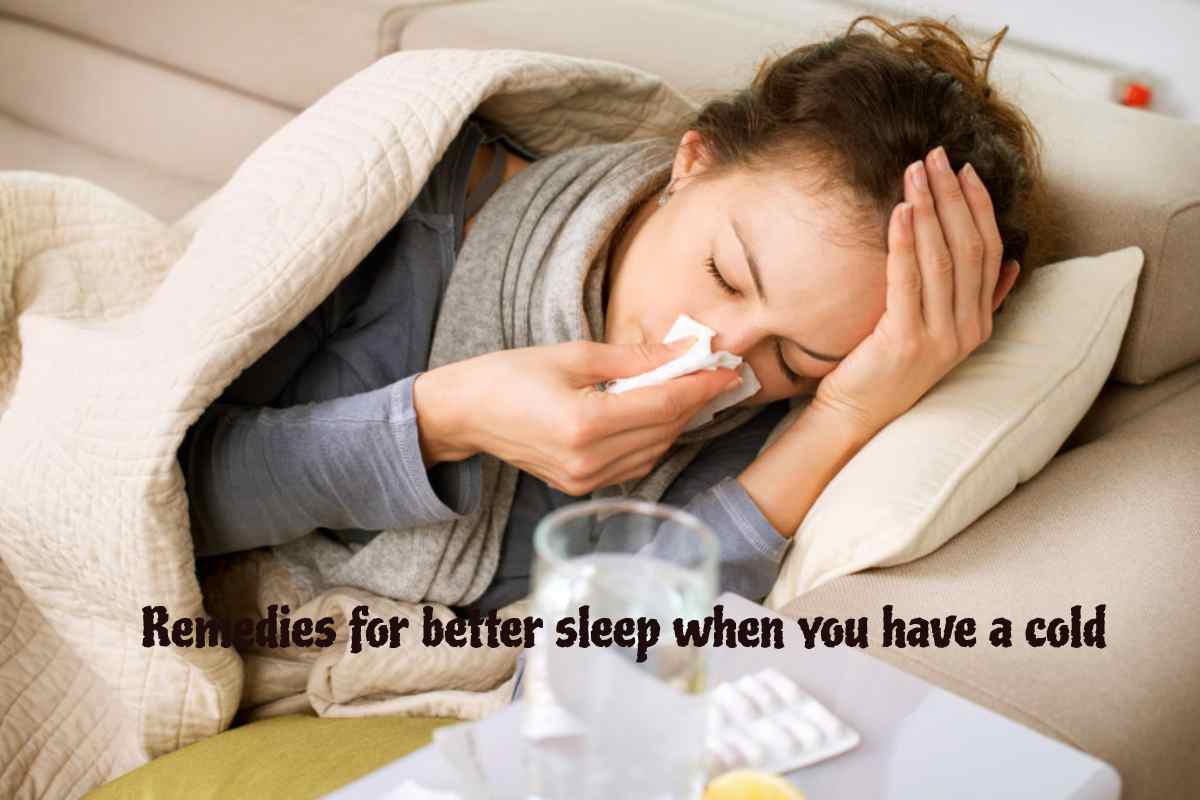
Getting enough sleep is an important part of maintaining overall health and energy. However, sleeping comfortably can be difficult when you have a common cold. Symptoms such as a stuffy or runny nose, sore throat, coughing, headache, and mild body aches can make it harder to relax and stay asleep.
Most colds are caused by respiratory viruses and improve on their own. While there is no cure for the common cold, several measures can help relieve symptoms and make nighttime rest more comfortable.
Below are practical strategies that may help you sleep better while recovering from a cold.
This Article Belongs To Beauty Tips
Table of Contents
Drink a Warm Beverage
Having a warm, non-caffeinated drink before bedtime may help soothe an irritated throat and provide comforting hydration. Warm beverages can also feel soothing when you are experiencing nasal congestion.
Options include:
- Decaffeinated tea with honey
- Chamomile tea
- Ginger tea
- Warm water with honey and lemon
- Warm broth or soup
- Dates Definition
Honey can help relieve coughing in adults and children aged 1 year and older. Never give honey to babies younger than 1 year.
Staying hydrated throughout the day is also important while you are recovering from a respiratory infection.
Consider an Over-the-Counter Pain Reliever
A cold can sometimes cause headaches, mild body aches, sore throat discomfort, or fever. Certain over-the-counter pain relievers and fever reducers may provide temporary symptom relief.
Common options include acetaminophen and nonsteroidal anti-inflammatory drugs (NSAIDs), such as ibuprofen or naproxen. However, the appropriate medicine depends on your age, health conditions, other medications, and individual circumstances.
Always follow the product instructions and speak with a doctor or pharmacist if you are unsure which medication is appropriate. Over-the-counter medicines can relieve symptoms, but they do not cure the common cold.
If you are also trying to maintain an active lifestyle while recovering, you can read our guide to physical aptitude and its benefits for more information about physical well-being.
Use a Nasal Decongestant Carefully
Nasal congestion can make it difficult to breathe comfortably at night. Some over-the-counter decongestants may provide temporary relief by reducing nasal swelling.
However, decongestants are not appropriate for everyone and may interact with certain medications or medical conditions. Some nasal decongestant sprays can also cause rebound congestion when used for too long.
Ask a pharmacist or healthcare professional which product is appropriate for you, and always follow the package directions.
Gargle With Salt Water
A warm salt-water gargle may help soothe a sore throat and make it more comfortable before bedtime. The CDC also lists salt-water gargling among measures that can help relieve sore-throat symptoms.
A commonly used mixture is:
- ½ teaspoon of salt
- About 1 cup (240–250 ml) of warm water
Dissolve the salt completely, gargle for several seconds, and spit out the solution. Avoid swallowing the salt water.
Try a Saline Nasal Rinse
A saline nasal rinse can help clear mucus and relieve nasal congestion. Saline sprays or drops are also commonly recommended for cold-related congestion.
If you use a nasal irrigation device such as a neti pot, water safety is essential. Use distilled or sterile water, or tap water that has been boiled and allowed to cool. Never use untreated tap water for nasal irrigation because it can contain microorganisms that may cause serious infections.
Clean the irrigation device according to the manufacturer’s instructions and allow it to dry properly between uses.
Elevate Your Head While Sleeping
Nasal congestion and postnasal drainage can become more noticeable when you lie flat. Elevating your upper body slightly may make breathing more comfortable for some people.
Instead of simply stacking several pillows, consider using a supportive arrangement that raises the upper body without forcing your neck into an uncomfortable position.
The goal is to find a comfortable sleeping position that makes it easier to rest while your body recovers.
Use a Mentholated Topical Rub Carefully
Some topical chest rubs contain ingredients such as menthol or eucalyptus. The cooling sensation and aroma may provide temporary subjective relief from congestion and make bedtime more comfortable for some people.
These products do not cure a cold. Follow the product label carefully and use them only as directed.
Do not apply products containing menthol or other active ingredients inside the nose unless the product specifically states that it is intended for nasal use.
Keep topical products away from young children and avoid using them on broken or irritated skin.
Use a Clean Humidifier
Dry indoor air may irritate the nose and throat. A clean humidifier or cool-mist vaporizer can add moisture to the air and may help make cold symptoms more comfortable. The CDC specifically recommends using a clean humidifier or cool-mist vaporizer when managing cold symptoms.
However, humidifiers need regular cleaning. Dirty humidifiers can become a source of microorganisms and may worsen respiratory irritation.
Follow the manufacturer’s cleaning instructions and use the recommended type of water. Some manufacturers recommend distilled water.
Take a Warm Shower
A warm shower before bedtime can be relaxing and may temporarily help loosen mucus and make nasal congestion feel less bothersome.
The CDC includes breathing in steam from a shower among measures that can help people feel more comfortable while managing cold symptoms.
Avoid excessively hot water, which can irritate or dry the skin and may increase the risk of burns.
Keep the Bedroom Comfortable
A comfortable bedroom environment can make it easier to rest when you are sick. Keep the room at a temperature that feels comfortable for you, and make sure the space has adequate ventilation.
If you have a fever, avoid making the room excessively hot or bundling yourself in heavy bedding. Lightweight, breathable bedding and comfortable clothing may make it easier to regulate your body temperature.
Creating a consistent nighttime environment can also support healthy sleep habits.
For more information about physical wellness and different aspects of fitness, see our guide to types of physical condition and fitness.
Stay Hydrated and Get Plenty of Rest
When you have a cold, your body needs time to recover. Drinking enough fluids and getting adequate rest can help you manage symptoms while the infection runs its course.
Water, warm tea, broth, and other non-caffeinated fluids can contribute to hydration. Avoid relying heavily on caffeinated beverages close to bedtime if they interfere with your ability to sleep.
Avoid Antibiotics Unless They Are Prescribed for a Bacterial Infection
The common cold is caused by viruses, so antibiotics do not treat an uncomplicated cold. Taking antibiotics unnecessarily can cause side effects and contributes to antibiotic resistance.
If symptoms suggest another infection or a complication, a healthcare professional can determine whether additional evaluation or treatment is needed.
When Should You Seek Medical Care?
Most colds improve without specific medical treatment. However, you should seek medical attention if symptoms are severe, concerning, or fail to improve.
According to the CDC, medical care is appropriate when you experience symptoms such as:
- Difficulty breathing or rapid breathing
- Signs of dehydration
- Fever lasting longer than four days
- Symptoms lasting more than 10 days without improvement
- Symptoms that improve and then return or become worse
- Worsening of an existing chronic medical condition
If you have cold-like symptoms and think you may have influenza or COVID-19, particularly if you are at higher risk for severe illness, contact a healthcare professional promptly because antiviral treatment may be available and works best when started early.
Conclusion
A common cold can make it difficult to get a comfortable night’s sleep, especially when congestion, coughing, sore throat, or body aches are keeping you awake. Although there is no cure for an uncomplicated cold, practical measures can help reduce symptoms and make nighttime rest more comfortable.
Warm beverages, adequate hydration, saline nasal products, salt-water gargles, a clean humidifier, a warm shower, and an appropriate sleeping position may all help you manage symptoms. Over-the-counter medicines may also provide temporary relief when used correctly.
For reliable, up-to-date information about managing cold symptoms, visit the CDC’s guide to managing the common cold.