
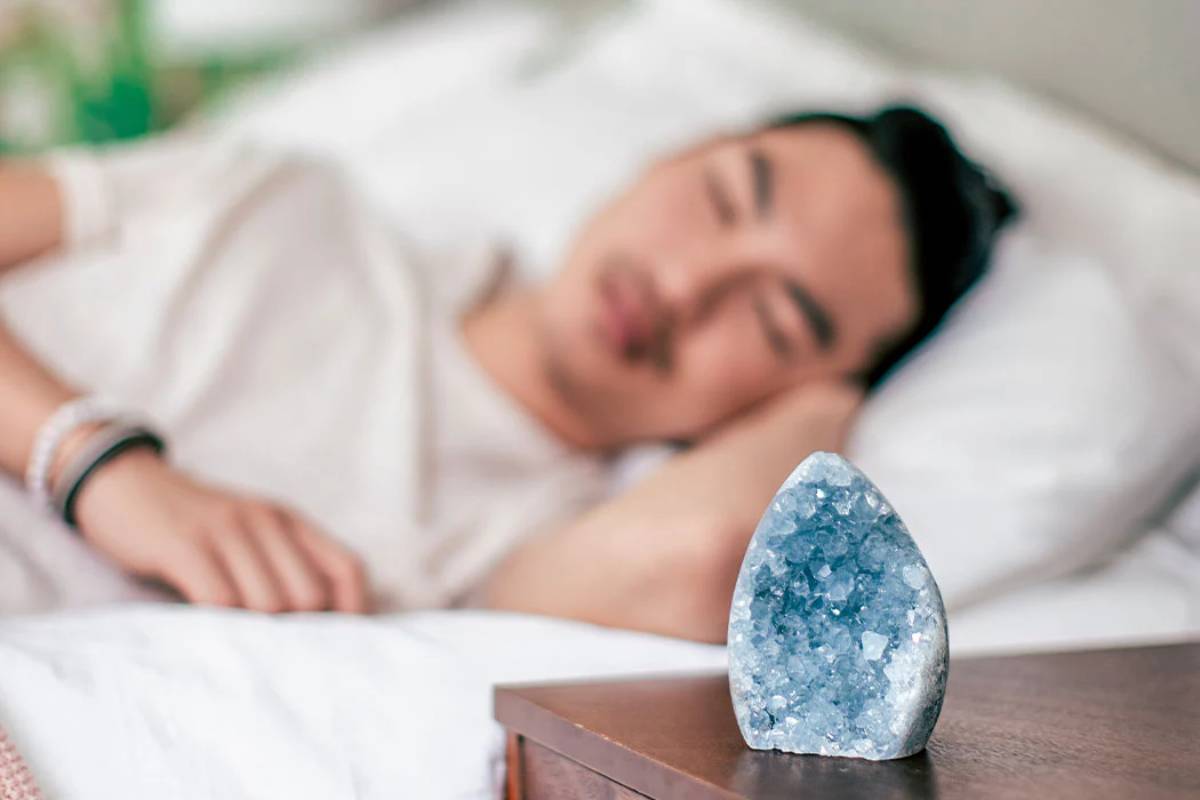
You’ve heard of using essential oils for sleep, meditation, and even relaxation. But what about sleeping crystals? The ancient use of stones, gemstones, and crystals for spiritual and wellness purposes dates back thousands of years. Crystals have also appeared in traditional healing practices, including traditional Chinese medicine.
Lithotherapy remains a form of pseudoscientific alternative medicine in which specific stones are believed to support physical or emotional well-being. There is currently no strong scientific evidence that crystals can treat insomnia or other medical conditions. However, some people use them as part of a calming bedtime routine because holding or looking at a meaningful object may help them relax.
This Article Belongs To Beauty Tips
If sleep problems are persistent, severe, or affecting your daily life, it is important to discuss them with a healthcare professional. The Sleep Foundation provides evidence-based information about sleep health, sleep disorders, and healthy sleep habits.
Table of Contents
Crystals for Sleep
Nothing is more frustrating than not getting enough sleep. Poor sleep can leave you feeling physically and emotionally exhausted and can make it harder to concentrate, manage emotions, and function throughout the day.
Stress is one common reason people struggle to fall asleep. Concerns about finances, health, relationships, work, or other life changes can keep the mind active when you are trying to rest.
A relaxing bedtime routine may help signal to your body that it is time to slow down. Some people incorporate crystals into this routine as a form of mindfulness or personal ritual.
Rather than viewing crystals as a replacement for sleeping medication or professional treatment, consider them an optional relaxation tool. Other wellness practices can also be incorporated into a calming routine. For example, you can learn more about Epiphany Wellness and approaches to general wellness and self-care.
Let us look at some of the crystals that are traditionally associated with relaxation and sleep.
Howlite for Stress and Insomnia
Howlite is traditionally associated with calmness and relaxation. Some crystal enthusiasts believe that it can help reduce stress and encourage restful sleep.
People who enjoy working with crystals may place a piece of howlite beside their bed or incorporate it into a personal meditation routine. There is no reliable evidence that howlite directly treats insomnia, so it is best viewed as a complementary relaxation practice.
Amethyst Jewelry
Amethyst for Calm and Deep Sleep
Amethyst is a purple variety of quartz that has a long history of use in jewelry and spiritual practices. Some people associate it with calmness, meditation, and emotional balance.
You may choose to keep an amethyst stone beside your bed or wear an amethyst bracelet as part of a relaxing nighttime ritual. However, claims that amethyst changes brain waves, purifies air, or directly produces deeper sleep have not been established by scientific research.
A consistent sleep routine, a comfortable bedroom, and limiting stimulating activities before bed are more reliable ways to support healthy sleep.
Moonstone Jewelry
Moonstone to Reduce Emotional Tension
Moonstone has a distinctive appearance and is often associated with dreams, intuition, and emotional balance in crystal traditions.
Some people find that keeping moonstone nearby during meditation or relaxation helps create a peaceful bedtime atmosphere. Its potential benefit is more likely to come from the calming ritual and personal meaning associated with the stone rather than a proven physiological effect.
Rose Quartz Jewelry
Rose Quartz and Feelings of Calm
Rose quartz is commonly associated with love, compassion, emotional healing, and self-care. People who use crystals may incorporate rose quartz into meditation or bedtime rituals as a reminder to practise self-compassion and relaxation.
Although there is no scientific evidence that rose quartz directly improves sleep, creating a peaceful nighttime routine may help you transition away from the stresses of the day.
For more information about wellness and health-related topics, you can also explore Dr. Frank Suarez and related health content.
Lepidolite Jewelry
Lepidolite for Calm and Serenity
Lepidolite is another crystal traditionally associated with calmness and emotional serenity. Crystal users sometimes keep it near their bed or use it during meditation before going to sleep.
If using lepidolite helps you establish a relaxing routine, it can be incorporated into your bedtime ritual. However, it should not be considered a medically proven treatment for insomnia, anxiety, or other health conditions.
Some people are also interested in natural approaches to everyday discomfort. For example, natural remedies for sore throat provides information about another common health concern.
Are There Crystals to Help You Sleep and Prevent Nightmares?
There is no reliable scientific evidence that crystals can prevent nightmares. Nightmares can be associated with stress, anxiety, traumatic experiences, medications, sleep disorders, and other factors.
Instead of relying on crystals to prevent nightmares, consider examining your sleep environment and bedtime habits.
Keep your bedroom comfortable, quiet, and dark when possible. Limiting television, computers, and other stimulating activities before bedtime may also help create a more restful environment.
If nightmares occur frequently, disrupt your sleep, or cause significant distress, consider speaking with a healthcare professional.
Is Your Room Cluttered?
A cluttered bedroom can make it harder for some people to relax. Keeping your sleeping area organized and comfortable may help create a stronger association between your bedroom and rest.
Rather than relying on claims about “energetic cleansing,” practical steps such as tidying the room, opening a window when appropriate, and getting some daylight during the day can contribute to a pleasant environment.
You can also make your bedroom more relaxing by choosing comfortable bedding, reducing unnecessary noise, and maintaining a consistent bedtime.
Health and wellness involve many different factors. For example, understanding how the body responds to environmental conditions is also important when learning about issues such as freezing and frostbite.
Do Light Sleepers Need Different Stones to Help Them Sleep?
There is no scientific evidence that light sleepers require particular crystals. However, if you enjoy using crystals as part of your bedtime routine, you can experiment with where you place them.
Some people may prefer keeping a small crystal on a bedside table, while others may find that objects around the bed are distracting. Choose whatever arrangement helps you feel comfortable and relaxed.
The most important part is the routine. Pick an activity that helps you slow down before bed and repeat it consistently. You might combine gentle breathing, reading, meditation, stretching, or simply spending a few quiet minutes away from screens.
If you experience ongoing digestive or other physical symptoms that interfere with your sleep, it is better to investigate the underlying cause rather than assuming that a crystal will resolve the problem. Resources discussing pepsin can provide additional general information about this digestive enzyme.
You can also explore Dolores Madrigal for additional wellness-related content.
Creating a Relaxing Crystal Bedtime Routine
If you enjoy crystals, you can make them part of a simple nighttime ritual:
- Choose one crystal that you personally find calming or meaningful.
- Keep it somewhere safe near your bed rather than placing it where it could become uncomfortable during sleep.
- Spend a few minutes holding or observing it while practising slow breathing.
- Put away electronic devices and reduce bright light before bedtime.
- Keep your bedtime and wake-up times as consistent as possible.
- Focus on relaxation rather than expecting the crystal to cure insomnia.
- If sleep problems continue, seek appropriate professional advice.
The ritual itself can become a reminder to pause, relax, and transition from daytime activities to sleep.
Conclusion
Crystals such as howlite, amethyst, moonstone, rose quartz, and lepidolite have long been associated with relaxation, emotional balance, and spiritual practices. Many people enjoy incorporating them into meditation or bedtime rituals because they provide a personal symbol of calm and self-care.
However, crystals have not been scientifically established as treatments for insomnia, nightmares, anxiety, or other medical conditions. Their potential value may instead come from the relaxing routines and mindfulness practices that people associate with them.
If you enjoy crystals, there is nothing wrong with including them in a healthy bedtime routine as long as they complement—not replace—evidence-based approaches to sleep. Maintaining a regular sleep schedule, creating a comfortable bedroom, limiting stimulating activities before bed, and seeking professional help for persistent sleep difficulties are more reliable ways to support good sleep.
Ultimately, the best bedtime routine is one that helps you feel safe, comfortable, relaxed, and ready for a restful night.