
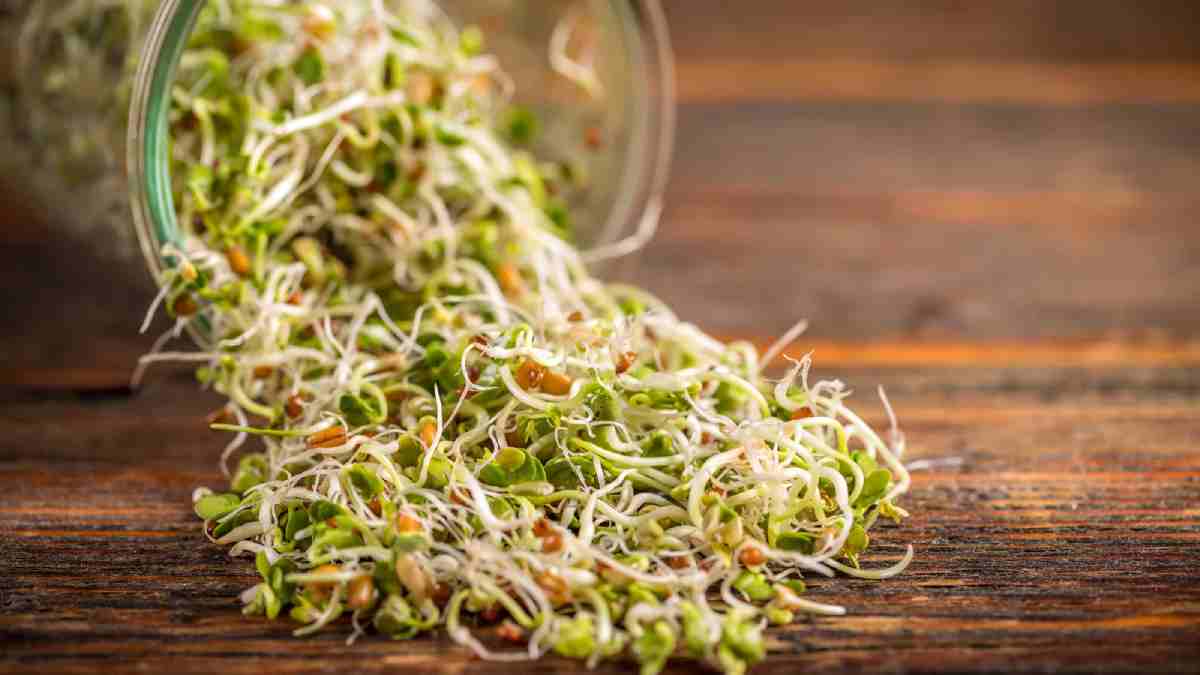
Sprouts are young plants that develop when seeds begin to germinate. Common edible sprouts include wheat, beans, soybeans, lentils, chickpeas, mung beans, alfalfa, broccoli, radish, and other plants.
During germination, seeds undergo physical and biochemical changes that make them suitable for use in a variety of foods. Sprouts can add crunch, flavor, and variety to salads, sandwiches, stir-fries, and other meals.
This Article Belongs To Beauty Tips
Table of Contents
What Are Sprouts?
Sprouts are the young shoots and roots that emerge from a germinating seed. Legume sprouts include chickpeas, lentils, adzuki beans, and mung beans, while other popular varieties include wheat, alfalfa, broccoli, radish, and sunflower sprouts.
Seeds contain nutrients needed to support the growth of a young plant. During germination, enzymes become active and the seed changes in texture and composition. This is one reason sprouts are often included in nutritious diets.
Sprouts can be eaten raw or cooked, although food-safety considerations are especially important when consuming raw sprouts.
A varied diet that includes nutritious plant foods can complement an active lifestyle. You can learn more about the relationship between physical activity and overall well-being in our guide to physical aptitude and its benefits.
Types of Seeds Used for Sprouting
A wide variety of seeds can be germinated for food. Some commonly used options include:
- Wheat
- Alfalfa
- Mung beans
- Soybeans
- Lentils
- Chickpeas
- Peas
- Broccoli
- Radish
- Clover
- Basil
- Beets
- Buckwheat
- Oats
- Rye
- Fenugreek
- Mustard
- Onions
Seeds specifically intended for edible sprouting should be purchased from reliable food suppliers. Seeds sold exclusively for gardening may not have been handled for food consumption.
How to Germinate Seeds for Sprouts
Germination generally takes several days, depending on the type of seed and the desired stage of growth.
You can use a dedicated sprouting jar or sprouter, or another clean container that allows proper drainage.
Step 1: Choose and Clean the Seeds
Select seeds intended for sprouting and remove any damaged or unsuitable seeds. Rinse them thoroughly with clean water.
Step 2: Soak the Seeds
Place the seeds in a clean container and cover them with water. Many larger seeds and legumes can be soaked for several hours, depending on the variety.
Step 3: Drain the Water
After soaking, drain the seeds thoroughly. Excess standing water can create conditions that encourage unwanted bacterial growth.
Step 4: Rinse Regularly
Rinse the seeds with clean water according to the requirements of the particular seed, generally once or twice daily, and drain them well afterward.
Step 5: Allow the Sprouts to Develop
Keep the container in an appropriate location and provide adequate airflow. Small roots usually appear first, followed by the developing shoot.
Depending on the variety, sprouts may be ready within a few days.
How to Use Sprouts in Food
Sprouts can be added to many meals for extra texture and flavor. Some simple ideas include:
- Fresh vegetable salads
- Sandwiches and wraps
- Pita bread and flatbreads
- Vegetable dishes
- Stir-fries
- Soups
- Smoothies
- Grain bowls
- Breakfast dishes
For stir-fries, sprouts can be added toward the end of cooking so they retain some of their characteristic texture.
Sprouted grains such as oats, buckwheat, and wheat can also be incorporated into different recipes.
Sprouts and Nutrients
Sprouts can provide nutrients such as protein, fiber, vitamins, minerals, and other plant compounds. Their nutritional composition varies considerably depending on the seed, growing conditions, and stage of germination.
For example, legume sprouts can contribute plant-based protein and minerals, while sprouts from vegetables such as broccoli contain naturally occurring plant compounds.
However, sprouts should be considered one part of a varied diet rather than a single food that provides every nutrient the body needs.
If you’re interested in building a balanced approach to food and wellness, you can also explore our article about different types of physical condition and fitness.
Popular Types of Sprouts
Radish Sprouts
Radish sprouts have a distinctive, peppery flavor. They can be added to salads, sandwiches, wraps, and egg dishes.
Sunflower Sprouts
Sunflower sprouts have a mild, slightly nutty flavor and can work well in salads, sandwiches, and grain bowls.
Soybean Sprouts
Soybean sprouts are commonly used in Asian-inspired dishes and stir-fries. They have a crisp texture and can be cooked with vegetables, noodles, or other ingredients.
Alfalfa Sprouts
Alfalfa sprouts have a mild flavor and are often added to sandwiches and salads. Because raw sprouts can carry harmful bacteria, appropriate food-safety precautions are important.
Lentil Sprouts
Lentil sprouts have a mild flavor and can be incorporated into salads, grain bowls, and cooked dishes. Lentils are also a useful source of plant-based protein and fiber.
Broccoli Sprouts
Broccoli sprouts have a slightly spicy flavor and are often used in salads and sandwiches. They contain naturally occurring compounds such as glucosinolates and their breakdown products.
Mung Bean Sprouts
Mung bean sprouts are crisp and are widely used in Asian cuisine. They can be added to stir-fries, soups, noodle dishes, and salads.
Sprout Salad Recipe
A simple sprout salad can be prepared with ingredients such as:
- Mung bean or lentil sprouts
- Cucumber
- Tomato
- Carrot
- Bell pepper
- Fresh herbs
- Lemon juice
- A small amount of olive oil
Wash and prepare the vegetables, combine them with the sprouts, and add the dressing immediately before serving.
For additional ideas focused on healthy lifestyle habits, you can also read our guide to remedies for better sleep.
Important Food Safety Advice for Sprouts
Although sprouts can be nutritious, raw or undercooked sprouts can carry harmful bacteria, including Salmonella and E. coli. The warm, moist conditions required for sprouting can also allow bacteria to multiply rapidly.
The CDC currently lists raw or undercooked sprouts, including alfalfa and bean sprouts, among higher-risk foods and recommends cooked sprouts as a safer choice.
Food safety is particularly important for young children, older adults, pregnant people, and individuals with weakened immune systems because foodborne infections can be more serious in these groups.
Recent CDC investigations in 2026 have also linked outbreaks to contaminated alfalfa sprouts and broccoli sprouts, demonstrating that sprout-related food-safety risks remain relevant.
For detailed, up-to-date guidance, see the CDC’s food-safety information on sprouts and safer food choices.
How to Reduce the Risk
To reduce the risk associated with sprouts:
- Purchase sprouts and sprouting seeds from reputable food suppliers.
- Keep sprouting equipment clean.
- Wash your hands before handling sprouts.
- Rinse and drain sprouts appropriately.
- Keep sprouts refrigerated.
- Avoid eating recalled products.
- Cook sprouts thoroughly if you want to reduce the risk associated with raw sprouts.
If you are in a higher-risk group for severe foodborne illness, consider avoiding raw sprouts and discuss dietary choices with your healthcare professional.
Conclusion
Sprouts are young plants produced through seed germination and can add flavor, texture, protein, fiber, vitamins, minerals, and other plant compounds to a varied diet. Wheat, lentil, mung bean, soybean, alfalfa, radish, sunflower, and broccoli sprouts are among the many varieties that can be incorporated into meals.
They can be used in salads, sandwiches, stir-fries, soups, and other recipes. However, proper food safety is essential because raw or undercooked sprouts can sometimes contain harmful bacteria.
Choosing appropriate seeds, maintaining clean growing conditions, storing sprouts correctly, and cooking them when appropriate can help make sprout consumption safer.