
Table of Contents
What Is Somniphobia?
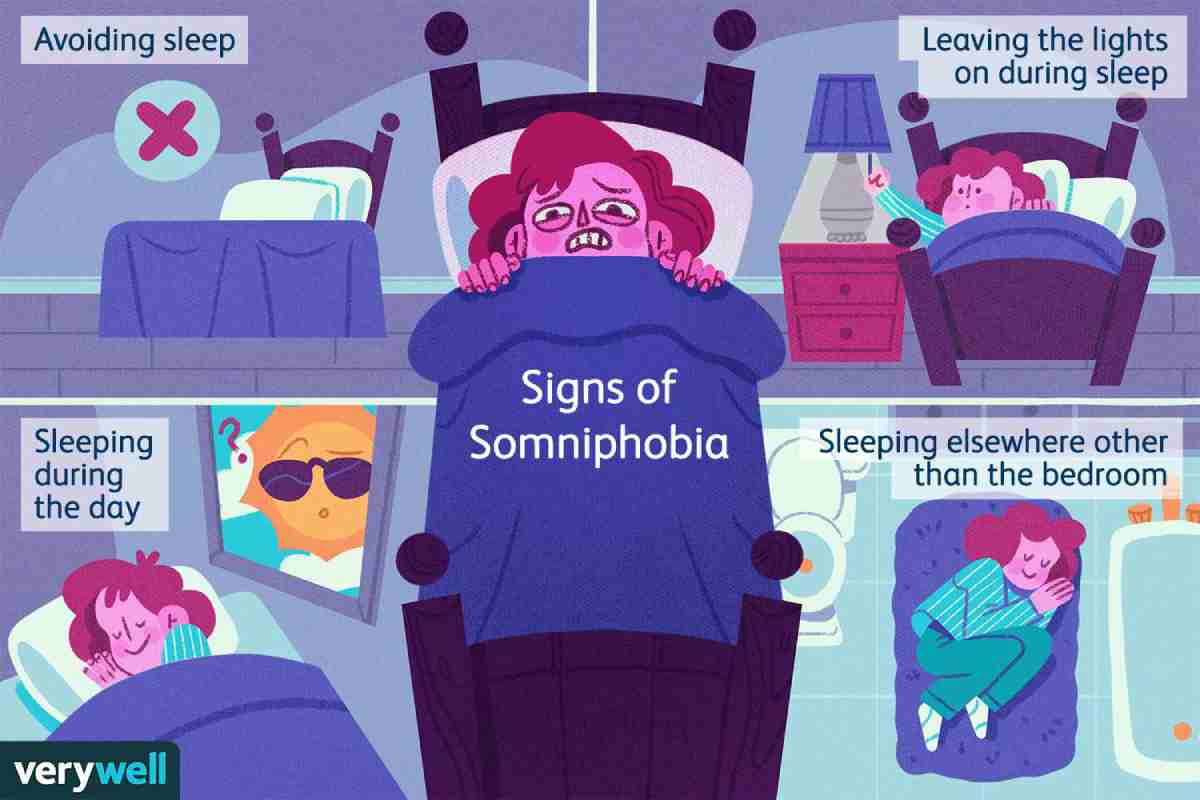
Somniphobia, also called hypnophobia, clinophobia, fear of sleep, or sleep anxiety, is a specific phobia involving an intense fear or dread of going to sleep. This condition can overlap with anxiety and insomnia. Because sleep is essential for physical and emotional well-being, persistent fear of sleeping may interfere with daily life and overall health.
This Article Belongs To Beauty Tips
Somniphobia (Fear of Sleeping): Signs, Symptoms, Treatment, and How to Cope
Somniphobia, sometimes referred to as sleep anxiety, involves an excessive feeling of fear, worry, or dread surrounding the act of going to sleep. For some people, these feelings may be connected with insomnia or concerns about what could happen while they are asleep.
People with somniphobia may experience racing thoughts and heightened emotions at bedtime, making it difficult to relax and fall asleep. Sleep disturbances such as nightmares, sleep paralysis, or frightening experiences around sleep may further increase feelings of anxiety.
If fear of going to sleep is interfering with your daily life, speaking with a qualified mental health professional can help you understand the underlying causes and explore appropriate treatment options.
Common Symptoms of Somniphobia
Common physical and emotional symptoms may include:
- Feeling increasingly distressed as nighttime approaches
- Experiencing panic attacks
- Feeling lightheaded or dizzy
- Chest discomfort or pain
- Fear of dying or losing control
- Abdominal discomfort
- Nausea
- Headaches
- Racing thoughts
- Difficulty relaxing at bedtime
The main symptoms of somniphobia involve fear, dread, or panic about going to sleep or what might happen during sleep.
Unlike insomnia, which involves difficulty falling asleep, staying asleep, or waking too early, people with somniphobia may avoid sleep because of the fear associated with it. As bedtime approaches, these uncomfortable symptoms may become stronger, creating a cycle of anxiety and sleep avoidance.
Developing a consistent bedtime routine and using healthy relaxation strategies may gradually make nighttime feel more manageable.
Treatment for Fear of Sleeping
Self-help strategies can sometimes support better sleep habits and reduce bedtime anxiety. However, these approaches often require consistency and patience. If your symptoms continue, interfere with daily activities, or become more severe, consider speaking with a doctor or mental health professional.
Treatment options may include psychotherapy, exposure-based approaches, cognitive behavioral therapy, EMDR when trauma is involved, and medication when clinically appropriate.
Improving overall wellness can also support healthy sleep habits. Regular movement and physical activity, for example, can contribute to general well-being. You can learn more about physical activity and fitness in our guide to physical aptitude and its benefits.
Therapy
A qualified therapist can help you identify possible triggers of sleep anxiety and develop healthier coping strategies for managing fear and distress.
Treatment may focus on understanding the thoughts and experiences associated with sleep and creating a personalized plan for gradually improving your relationship with bedtime and rest.
Desensitization and Exposure Therapy
Exposure therapy is an evidence-based approach that can help people gradually confront phobic fears in a safe and controlled manner.
For someone experiencing somniphobia, a therapist may create a fear hierarchy that ranks sleep-related situations from less distressing to more distressing. Treatment then progresses gradually according to the person’s needs and tolerance.
The goal is not to force someone to confront their greatest fear immediately. Instead, exposure is carefully structured and supported by a trained professional.
Cognitive Behavioral Therapy (CBT)
Cognitive behavioral therapy (CBT) is a commonly used psychological treatment based on the relationship between thoughts, emotions, and behaviors.
For sleep-related anxiety, CBT may help a person identify and challenge unhelpful thoughts about sleep. A therapist may use techniques such as:
- Tracking thoughts and emotions before bedtime
- Identifying unhelpful beliefs about sleep
- Examining evidence for and against frightening thoughts
- Practicing relaxation techniques
- Using progressive muscle relaxation
- Developing healthier bedtime behaviors
By learning to respond differently to anxious thoughts, some people may find it easier to manage distress associated with sleep.
Eye Movement Desensitization and Processing (EMDR)
Eye Movement Desensitization and Processing (EMDR) is a structured psychotherapy approach commonly used in trauma treatment.
If a person’s fear of sleep is associated with a traumatic experience, a qualified therapist may determine whether trauma-focused treatment such as EMDR is appropriate.
During EMDR, a therapist helps the individual focus on distressing memories while using bilateral stimulation. Treatment is individualized and should be conducted by a properly trained mental health professional.
Medication
If anxiety or insomnia is significantly affecting your sleep, a doctor or psychiatrist may discuss whether medication is appropriate.
Some medications may help with insomnia or anxiety, but medication choice depends on factors such as the underlying cause of sleep difficulties, other health conditions, current medications, and the individual’s medical history.
Never start, stop, or change a prescription medication without consulting a qualified healthcare professional. Some sleep or anxiety medications can cause dependence or other side effects and may be intended only for short-term use.
Examples of medications that doctors may consider for particular sleep or mental health conditions include:
- Trazodone
- Zaleplon (Sonata)
- Doxepin
- Certain antidepressants
- Certain anti-anxiety medications
These medications do not specifically cure somniphobia. Instead, a healthcare professional may consider them when treating associated conditions such as anxiety, depression, or insomnia.
For additional information about sleep and common sleep problems, see the Sleep Foundation’s sleep resources.
How to Get Help With the Fear of Sleep
Finding an appropriate therapist can be an important first step in addressing a persistent fear of sleep.
When looking for a therapist, consider their experience with anxiety disorders, phobias, insomnia, or trauma-related concerns, depending on your symptoms. It is also important to find someone with whom you feel comfortable discussing your fears.
Before your first appointment, it can be helpful to think about questions such as:
- What causes the most distress at bedtime?
- When did the fear of sleeping begin?
- Are there particular thoughts or experiences that trigger the fear?
- How does the fear affect your daily activities?
- What would you like treatment to help you accomplish?
Treatment can take time, and progress may not happen immediately. Working consistently with a qualified professional can help you understand your symptoms and develop strategies for managing them.
Healthy nutrition and overall wellness may also contribute to a balanced lifestyle. For more information about nutritious foods, see our guide to sprouts and the power of vitamins.
Final Thoughts on the Fear of Sleep
Somniphobia is a specific phobia characterized by an intense fear or dread of sleeping. Although it can be challenging, persistent fear of sleep does not have to be managed alone.
Recognizing the symptoms, developing healthy sleep habits, and seeking professional support when needed can help people better manage sleep-related anxiety. If fear of sleep is significantly affecting your rest or daily life, speaking with a healthcare or mental health professional is an important step.
You can also explore practical approaches for improving your nighttime routine in our guide to remedies for better sleep.