
This Article Belongs To Beauty Tips
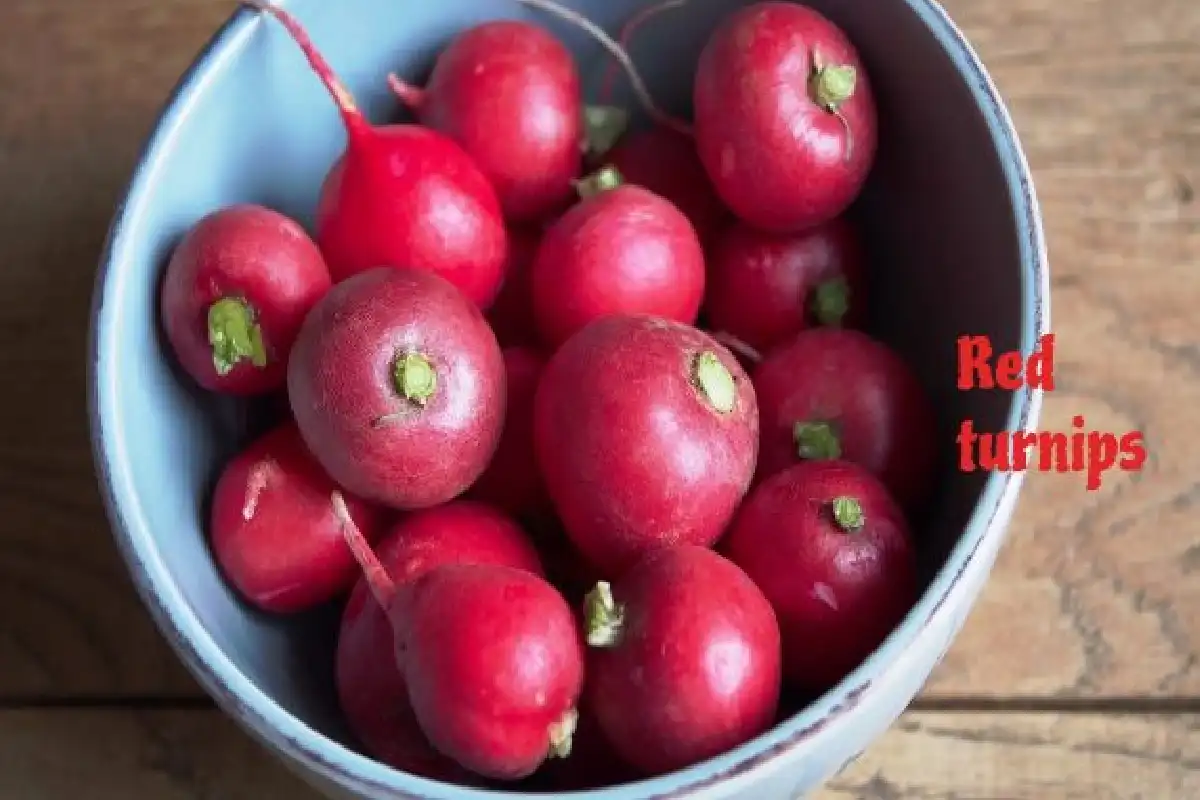
Red beards, red beets, and red carrots are examples of regional names sometimes used for beetroot in different parts of Italy. Whatever the name, beetroot is easily recognized by its distinctive deep red or purple-red colour. This striking colour comes largely from natural pigments known as betalains, particularly betanin, which is also used by the food industry as a natural food colouring.
Beetroot is more than an attractive addition to salads and cooked dishes. It is a nutrient-rich root vegetable that can contribute to a balanced diet while providing fibre, vitamins, minerals, and naturally occurring plant compounds.
Despite the growing interest in nutrition and healthy eating, vegetables such as beetroot can sometimes be overlooked. Understanding its nutritional composition, culinary uses, and potential health benefits can help explain why this colourful root has remained popular for centuries.
Table of Contents
General Information About Beetroot
Beetroot belongs to the species Beta vulgaris. It should not be confused with sugar beet, although both plants belong to the same species and have been developed for different purposes.
Beetroot has a long history as a food crop. Ancient civilizations cultivated and consumed different forms of beet, and the plant gradually became an important vegetable throughout Europe and the Mediterranean region.
Historically, beetroot was valued primarily as a food that could be served alongside meat and other dishes. Today, it is used in a much wider variety of recipes, including salads, soups, juices, roasted vegetable dishes, and vegetarian meals.
Its appeal is not limited to the kitchen. Beetroot has also attracted scientific interest because it contains naturally occurring compounds such as nitrates and betalains.
Diffusion and Cultivation
Beetroot is cultivated widely in Europe, North Africa, and Mediterranean regions, although it is now grown in many parts of the world.
The plant is relatively adaptable and can grow in a variety of soils. It generally performs well in fertile, well-drained soil and prefers moderate growing conditions. Cultivation practices, climate, soil quality, and variety can all influence the size, flavour, and nutritional composition of the root.
The edible root develops below the soil surface, while the leafy green portion grows above ground. Beet greens can also be eaten and provide their own nutritional value.
Botanical Description
Beetroot is a biennial herbaceous plant, although it is commonly cultivated as an annual vegetable.
The swollen root is generally rounded or elongated and can range from deep red to purple-red depending on the variety. The leaves are green and have prominent stems, while some varieties may display reddish colouring in parts of the plant.
Beetroot belongs to the Beta genus and is closely related to other cultivated forms of beet, including sugar and forage varieties.
Different beet varieties have been developed for different purposes. Some are primarily grown for their roots, while others are cultivated for their leaves or industrial uses.
Nutritional Values and Natural Pigments
Beetroot is relatively low in calories while providing water, carbohydrates, fibre, and small amounts of protein. Its exact nutritional composition depends on the variety and serving size.
For reliable nutrition information, the USDA FoodData Central database provides detailed data on foods and their nutrient composition.
One of beetroot’s most recognizable characteristics is its intense colour. Betanin is one of the principal betalain pigments responsible for the red-purple appearance of many beet varieties. Betalains are naturally occurring plant compounds that have antioxidant properties.
Beetroot also contains naturally occurring nitrates. The body can convert dietary nitrate into nitric oxide, a molecule involved in blood-vessel function. This is one reason beetroot and beetroot juice have been studied in relation to exercise performance and cardiovascular function.
Minerals and Vitamins in Beetroot
As a root vegetable, beetroot absorbs minerals from the soil and provides several important nutrients. It contains potassium, manganese, magnesium, iron, and other minerals in varying amounts.
Beetroot also provides folate and vitamin C, along with smaller quantities of other vitamins. The nutritional profile makes it a useful addition to a varied diet rather than a food that should be relied upon to supply one particular nutrient.
Its fibre content can also contribute to a healthy eating pattern. Fibre is important for normal digestive function and can help make meals more filling.
For people following plant-focused eating patterns, beetroot can be combined with beans, lentils, whole grains, nuts, and seeds to create nutritionally diverse meals. Those interested in plant-based eating can also explore our guide on thinking about a vegan diet.
Beetroot in the Diet
Beetroot can be eaten raw or cooked. Young, tender roots can be grated or thinly sliced and added to salads. Cooking can soften the vegetable and bring out its naturally sweet flavour.
Roasting beetroot is another popular preparation method. It can be roasted with other vegetables, added to grain bowls, or served as a side dish.
Beetroot can also be boiled, steamed, pickled, or blended into soups and smoothies. Its naturally intense colour makes it particularly useful for adding visual appeal to meals.
When preparing a balanced meal, beetroot can be paired with vegetables such as zucchini. If you want to learn more about another versatile vegetable, see our zucchini definition and guide.
Interestingly, beetroot is sometimes used in recipes alongside foods containing starch. Understanding the role of carbohydrates in the diet can be easier after reading our guide to the definition of starch.
Potential Health Benefits of Beetroot
Beetroot contains several compounds that have attracted scientific interest. Dietary nitrate, for example, can contribute to the production of nitric oxide, which plays a role in blood-vessel dilation and circulation.
Research has investigated whether consuming beetroot or beetroot juice may influence blood pressure and physical performance. Some studies have reported potential benefits, particularly in relation to exercise and cardiovascular measures, although results can vary according to the study, dosage, and individual characteristics.
For active people, beetroot can therefore be an interesting food to include in an overall nutritious diet. It should not, however, be considered a substitute for medical treatment or a balanced eating pattern.
Regular physical activity remains an important part of maintaining overall health. People interested in incorporating more movement into their routines can explore different options, including these types of treadmills.
Beetroot and Weight Management
Because beetroot is relatively low in calories and contains fibre and water, it can fit comfortably into many balanced eating patterns.
However, no single vegetable automatically causes weight loss. Sustainable weight management generally involves an overall approach that includes appropriate food choices, physical activity, sleep, and other lifestyle factors.
For additional practical guidance, read our article covering weight loss tips for women over 40.
Beetroot can be particularly useful as part of meals that include vegetables, lean sources of protein, whole grains, and healthy fats. This combination can make meals more satisfying while providing a broad range of nutrients.
Beetroot and Antioxidant Compounds
The deep colour of beetroot is associated with betalains, including betanin and betaxanthin. These naturally occurring compounds have antioxidant activity and have been investigated for their potential biological effects.
Antioxidants are compounds that can help protect cells from oxidative damage. However, it is important to distinguish between laboratory research and proven effects in humans. Eating beetroot as part of a varied diet can provide beneficial plant compounds, but it should not be described as a treatment for a disease.
The same principle applies to claims about cancer prevention. Although beetroot and its compounds have been investigated in scientific research, there is not enough evidence to claim that eating beetroot prevents or cures cancer.
Healthy Lifestyle and Everyday Well-Being
A healthy lifestyle involves more than food alone. Creating an environment that supports relaxation, regular activity, nutritious meals, and good daily habits can contribute to overall well-being.
From choosing nutritious vegetables such as beetroot to creating a comfortable and attractive home environment, everyday lifestyle choices can influence how people experience their surroundings. If you enjoy exploring home and lifestyle ideas, you can also take a look at our guide to trendy furniture and furniture in vogue.
The goal is not perfection but consistency. Small, sustainable choices involving nutrition, movement, rest, and lifestyle can become part of a balanced approach to everyday wellness.
Are There Any Precautions?
Beetroot is generally suitable for most people as part of a normal balanced diet. However, it contains oxalates, so individuals who have been advised by a healthcare professional to limit dietary oxalates may need to consider their intake.
Beetroot can also temporarily turn urine or stools pink or red. This effect, known as beeturia, can occur after eating beetroot and is usually harmless.
People taking medication or managing a medical condition should speak with an appropriate healthcare professional if they have concerns about including significant amounts of beetroot or beetroot juice in their diet.
Beetroot in Traditional and Cosmetic Uses
Beetroot has historically been valued for its natural colour as well as its culinary qualities. Betanin can be extracted from beetroot and used as a natural food colouring.
Because of its strong natural pigmentation, beetroot has also inspired cosmetic and culinary applications. However, claims that beetroot extracts can treat specific skin or medical conditions should be considered carefully unless supported by appropriate clinical evidence.
The versatility of beetroot demonstrates how one plant can have culinary, nutritional, and industrial value.
Conclusion
Beetroot is a colourful and versatile root vegetable that can add flavour, texture, fibre, minerals, and naturally occurring plant compounds to a balanced diet. Its distinctive red-purple colour comes largely from betalain pigments, while its naturally occurring nitrates have made it a subject of research involving cardiovascular health and exercise performance.
It can be enjoyed raw, roasted, boiled, steamed, pickled, or incorporated into soups, salads, juices, and other dishes. Rather than viewing beetroot as a miracle food or medical treatment, it is more useful to consider it one nutritious component of a varied eating pattern.
Whether you are trying to increase your vegetable intake, experiment with plant-based meals, or simply add more colour to your plate, beetroot offers plenty of culinary possibilities. Combined with regular physical activity and a balanced diet, it can be a practical and enjoyable addition to a healthy lifestyle.