
This Article Belongs To Beauty Tips
A healthy, balanced diet plays an important role in supporting overall well-being. Among the many nutrients the body needs, vitamin D is particularly important for maintaining strong bones and supporting normal muscle and immune function. Although the body can produce vitamin D when the skin is exposed to sunlight, diet can also contribute to vitamin D intake.
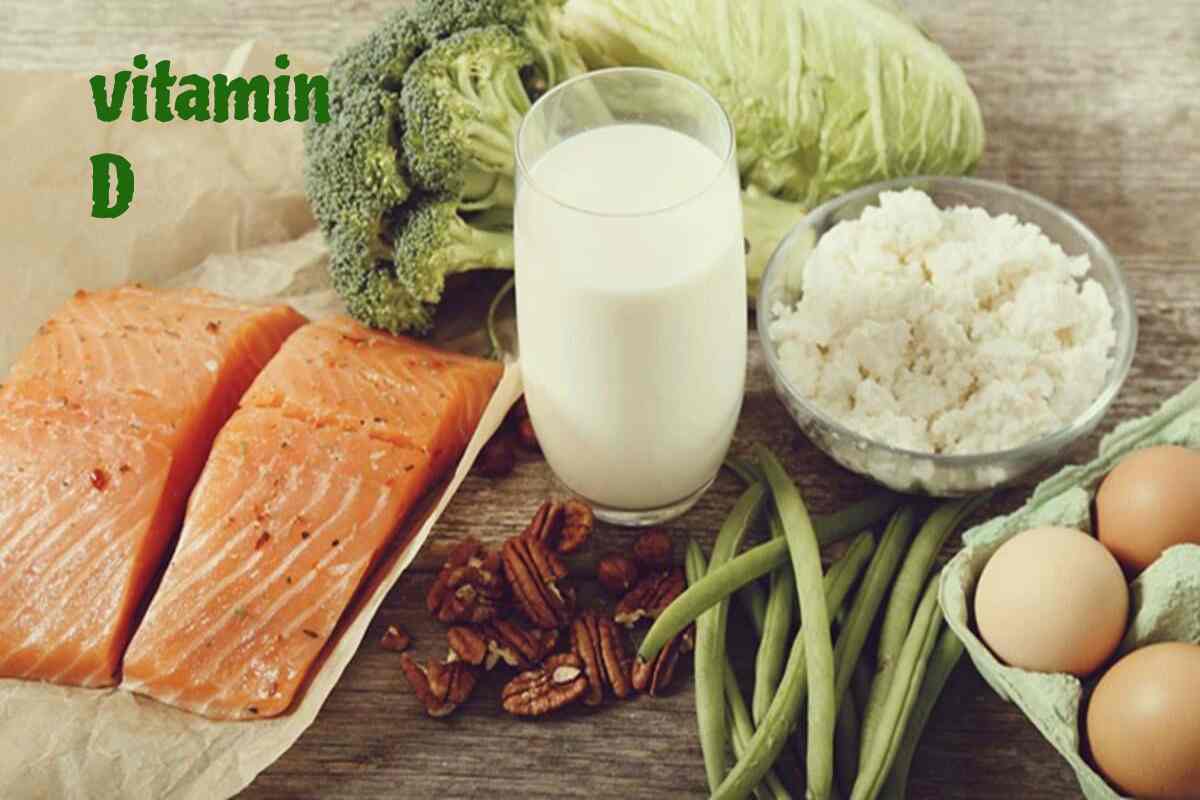
Vitamin D occurs naturally in relatively few foods. Fatty fish such as salmon, tuna, and mackerel are among the best natural sources, while fortified foods such as milk can also provide meaningful amounts.
Vitamin D helps the body absorb calcium and is important for maintaining healthy bones. The nutrient also has roles in normal muscle function and immune-system activity. If you want evidence-based information about vitamin D, recommended amounts, food sources, and supplements, the NIH Office of Dietary Supplements vitamin D resources provide useful guidance.
Here are several vitamin D-containing foods that can be included in a balanced eating pattern.
Table of Contents
Mushrooms
Mushrooms are one of the notable non-animal food sources of vitamin D. Some mushrooms can produce vitamin D when they are exposed to ultraviolet light. However, the amount can vary considerably depending on the type of mushroom and how it has been grown or processed.
Adding mushrooms to meals can be an easy way to increase variety in your diet. They can be grilled, sautéed, added to soups, mixed into vegetables, or included in salads and other dishes.
If you regularly eat plant-based foods, check food labels when available to determine whether mushrooms have been treated with ultraviolet light or provide a meaningful amount of vitamin D.
Cow’s Milk
Cow’s milk can be an important dietary source of vitamin D when it is fortified. Vitamin D is not naturally abundant in milk, so checking the nutrition label is useful when choosing a product.
Milk also provides calcium, which works together with vitamin D to support bone health. Including fortified milk as part of a balanced diet can therefore help you obtain both nutrients.
If you do not consume dairy, fortified plant-based beverages can be another option. However, the vitamin D content differs between products, so always check the nutrition information before choosing one.
Cheese
Cheese can provide small amounts of vitamin D, although the amount varies depending on the type. Some cheeses also provide calcium and protein, making them useful components of a varied diet.
Because many cheeses can be relatively high in saturated fat and sodium, portion size matters. Choosing reasonable portions and combining cheese with vegetables, whole grains, or other nutrient-rich foods can help create a more balanced meal.
Rather than relying on cheese as your main source of vitamin D, consider it one part of a varied diet that includes other vitamin D-rich foods.
Fortified Yogurt
Fortified yogurt can be a convenient way to add vitamin D to your daily eating pattern. Some yogurt products are fortified with vitamin D, while others may contain little or none.
Yogurt can also provide protein and calcium, depending on the product. When choosing yogurt, look at the nutrition label and consider options with less added sugar.
Plain or lightly sweetened yogurt can be paired with fruit, nuts, seeds, or whole grains for a nutritious snack or breakfast.
Maintaining a nutritious diet can also support overall physical well-being. Regular movement is another important part of a healthy lifestyle. Learn more about the physical health benefits of exercise and how regular activity can complement healthy eating habits.
Butter
Butter contains a small amount of vitamin D, but it should not be considered a primary source of this nutrient. It is also relatively high in saturated fat, so consuming it in moderation is generally more practical than relying on it to meet vitamin D needs.
Instead of increasing butter intake specifically for vitamin D, focus on foods that naturally provide more vitamin D, such as fatty fish, or choose fortified foods where appropriate.
A balanced diet should provide a variety of nutrients without depending heavily on one food.
Fortified Cereal and Oatmeal
Some breakfast cereals and oatmeal products are fortified with vitamin D. Fortification means that nutrients are added during food processing, making certain products useful sources of nutrients that may otherwise be difficult to obtain from the diet.
Check the nutrition label to determine whether your preferred cereal or oatmeal contains vitamin D. Choosing a whole-grain product with lower amounts of added sugar can also help make breakfast more nutritious.
You can combine fortified cereal or oatmeal with fortified milk or a fortified plant-based beverage to create a convenient breakfast.
Eggs
Eggs contain vitamin D, particularly in the yolk, although the amount is relatively modest compared with fatty fish or fortified foods.
Eggs are also a convenient source of protein and provide several other nutrients. Including whole eggs in a balanced diet can therefore contribute to overall nutrient intake.
Instead of eating only egg whites when vitamin D is a consideration, remember that the yolk contains the vitamin D. However, individual dietary needs can vary, so portion sizes and overall dietary patterns are still important.
Salmon
Salmon is one of the best natural food sources of vitamin D. It is also a fatty fish that provides protein and beneficial omega-3 fatty acids.
Including salmon in meals can be an effective way to increase dietary vitamin D while adding variety to your protein choices. It can be baked, grilled, steamed, or added to salads and grain-based meals.
Other fatty fish, including tuna and mackerel, can also provide vitamin D. The NIH identifies fatty fish as some of the best natural food sources of this nutrient.
Why Vitamin D Matters
Vitamin D is important because it helps the body absorb calcium, supporting the development and maintenance of healthy bones. It also contributes to normal muscle function and immune-system activity.
However, getting more vitamin D is not necessarily better. Excessive intake from supplements can cause health problems, so supplements should be used thoughtfully and according to appropriate medical or dietary guidance.
Lifestyle factors can also influence overall well-being. Looking after mental health is equally important. If stress or anxiety is affecting your daily life, you can learn more through our guide on how to manage anxiety and support mental health.
It is also important to remember that nutrition is only one part of maintaining good health. Regular physical activity, adequate sleep, stress management, and a varied diet all contribute to a healthier lifestyle.
Conclusion
Including vitamin D-containing foods in your diet can be a practical way to support your nutritional needs. Fatty fish such as salmon, fortified milk and yogurt, fortified cereals, eggs, mushrooms, and certain dairy products can all contribute varying amounts of vitamin D.
Rather than depending on a single food, aim for a varied and balanced diet that provides a broad range of essential nutrients. Since vitamin D is naturally present in relatively few foods, fortified products can be especially useful for people whose diets contain limited natural sources.
If you are concerned about vitamin D deficiency or are considering supplements, speak with a qualified healthcare professional. They can help determine whether you need additional vitamin D based on your diet, lifestyle, and individual nutritional needs.
A balanced approach to food, exercise, and overall well-being can help you build healthier habits and support a strong, healthy body over time. For additional depression stick