
Table of Contents
Freezing
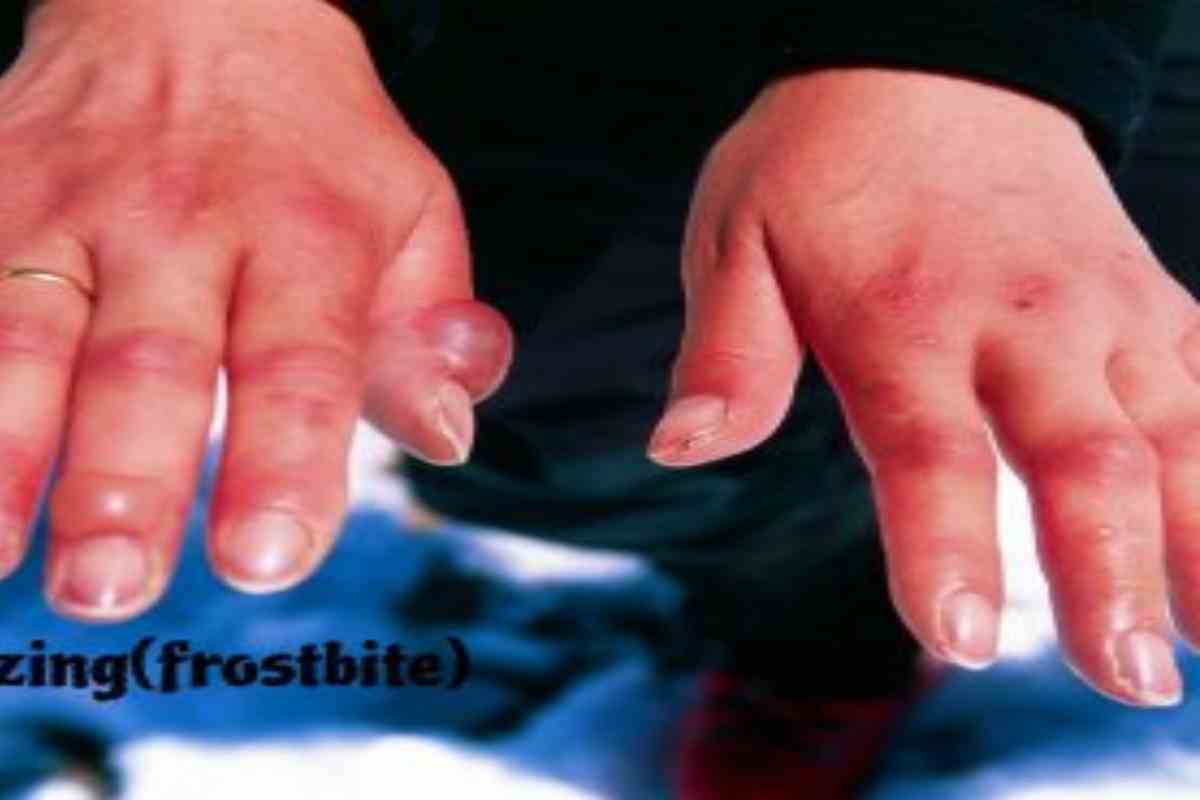
Freezing, also known as frostbite, is tissue damage caused by prolonged exposure to extreme cold. The initial stages are superficial and may not cause permanent injury; however, severe frostbite can require medical attention because it can damage the skin, blood vessels, muscles, nerves, and other underlying tissues.
The effects can be temporary in cases of superficial frostbite or permanent when complications develop, including nerve damage, infections, tissue death, and gangrene. Frostbite can also occur alongside systemic hypothermia, which affects the entire body.
This Article Belongs To Beauty Tips
Causes
At temperatures of 0°C or below, the blood vessels under the skin begin to narrow, and blood is redirected from the extremities toward vital organs. This process helps the body preserve its core temperature and reduce heat loss.
The same reaction can occur when the body is exposed to strong winds and severe weather conditions, such as snowstorms. Vasoconstriction reduces blood flow to the extremities, making areas such as the fingers, toes, nose, and ears more vulnerable to freezing.
When the body is exposed to cold for extended periods, its protective response can reduce blood flow to the extremities. Fluids in the tissues can freeze and form ice crystals, causing significant cellular damage. If blood flow cannot be restored, the tissues may become deprived of oxygen, eventually leading to tissue death and gangrene.
Degrees of Freezing
First-Degree Freezing
The initial stage of frostbite affects only the surface of the skin and usually does not cause permanent damage. Early symptoms may include numbness, tingling, itching, and pain in the affected area.
The skin may then become cold, numb, and pale because of reduced blood circulation. Mild frostbite may improve after the person moves to a warm environment and receives appropriate first aid.
Second-Degree Frostbite
If exposure to low temperatures continues, frostbite can extend through the epidermis and dermis without initially involving deeper tissues. The skin may become blue-white and hard to the touch.
With rewarming, the affected skin can become red, swollen, itchy, and painful. Blisters may develop within one or two days. Although second-degree injuries can heal over several weeks, the affected area may remain numb or sensitive.
Third- and Fourth-Degree Frostbite
More severe frostbite can damage muscles, tendons, blood vessels, nerves, and deeper tissues. As the injury progresses, inflammation develops and the affected area’s function may become temporarily or permanently impaired.
After the skin thaws, blisters may fill with blood and develop into thick, purplish-black crusts. Damage to nerve endings can cause permanent loss of sensation. Fourth-degree frostbite occurs when frozen tissue begins to die and become necrotic. In extreme cases, surgery or amputation may be necessary to remove dead tissue.
Symptoms
Symptoms of frostbite can vary depending on the severity of the injury. Common warning signs include numbness, tingling, burning, pain, and changes in skin color. As exposure continues, sensitivity to touch may decrease, and pain can eventually disappear because of nerve damage.
Other typical signs of frostbite include:
- Decreased oxygen supply at the cellular level
- Edema or swelling
- Bruising
- Formation of blisters
- Tissue necrosis
- Pale, blue, gray, purple, or darkened skin
- Hard or waxy-looking skin
The body parts most vulnerable to frostbite include the nose, ears, fingers, and toes because they are more exposed to cold. Mild cases may recover completely with prompt care, while severe cases can result in permanent tissue damage.
For readers interested in another health-related topic, you can also learn more about natural remedies for sore throat.
Risk Factors
Frostbite risk factors include conditions that affect blood circulation, such as diabetes and Raynaud’s phenomenon. People who participate in winter or high-altitude sports, including mountaineers and skiers, may also face increased risk.
People who work outdoors in extreme weather conditions, including sailors and lifeguards, should take appropriate precautions. Cold temperatures, inappropriate clothing, wet clothing, freezing winds, and prolonged exposure can all increase the risk.
The same environmental conditions that contribute to frostbite can also contribute to hypothermia, which is a potentially serious condition affecting the body’s core temperature.
Treatment
Treatment of frostbite depends on its severity. If medical assistance is not immediately available, moving to a safe, warm environment is an important first step. However, frozen tissue should be handled carefully because rubbing or applying physical force can cause additional damage.
For further medical guidance on frostbite first aid and treatment, see the Mayo Clinic’s frostbite first-aid guidance.
Passive Warming
Passive warming involves using body heat or room-temperature surroundings to prevent further heat loss. This can include wrapping the person in blankets or moving to a warmer environment.
Wet clothing should be removed and replaced with clean, dry clothing. Direct heat sources such as stoves, fireplaces, heating pads, or campfires should not be applied directly to frostbitten skin because numb areas can easily suffer burns.
Active Warming
Active warming requires more equipment and is generally performed in a medical setting. Healthcare professionals may rewarm the affected tissue using a controlled warm-water bath.
Rewarming can be painful and should be performed carefully. Medical treatment may also include pain medication, wound care, medications that improve blood flow, and treatment for infection when necessary.
Readers interested in other health and wellness subjects can also explore pepsin for information about this digestive enzyme.
Surgery
Debridement and amputation of dead tissue are generally delayed until the extent of tissue damage is clear, unless there are signs of infection or another urgent complication.
In certain severe cases, healthcare professionals may use medications designed to improve blood flow and reduce the risk of amputation. These treatments are typically considered only in specific circumstances and under medical supervision.
Recovery and Long-Term Effects
A full recovery is possible when frostbite does not cause significant damage to the blood vessels and deeper tissues. However, severe injuries can produce permanent complications.
Possible long-term effects include temporary or permanent changes in sensation, numbness, tingling, persistent pain, increased sensitivity to cold, excessive sweating, nail changes, and arthritis in the affected area. Severe tissue damage can also result in infection, gangrene, or amputation.
For another wellness-related topic, you can also explore crystals for sleep.
Conclusion
Freezing, or frostbite, is a cold-related injury that can range from mild, temporary skin damage to severe tissue destruction. Early symptoms such as numbness, tingling, pain, and changes in skin color should not be ignored, especially after prolonged exposure to freezing temperatures.
Moving to a warm environment, removing wet clothing, protecting the affected area, and avoiding rubbing or direct heat are important first-aid measures. More serious frostbite requires professional medical evaluation because it can cause permanent damage to the skin, nerves, muscles, and blood vessels.
Understanding the causes, symptoms, risk factors, and appropriate treatment of frostbite can help reduce complications and support safer recovery after exposure to extreme cold.