
Table of Contents
Extroverts enjoy homework better than introverts:
Your personality can influence how you experience working or studying from home. For some people, a home environment provides freedom, flexibility, and fewer distractions. For others, the lack of social interaction can make it more difficult to stay motivated and engaged.
Research conducted during the COVID-19 pandemic suggested that personality traits, particularly extraversion, could influence how people experienced remote work. A survey of more than 500 Swedish participants examined their experiences of working from home and contributed to the report Homework – Flexible Work Is the New Normal.
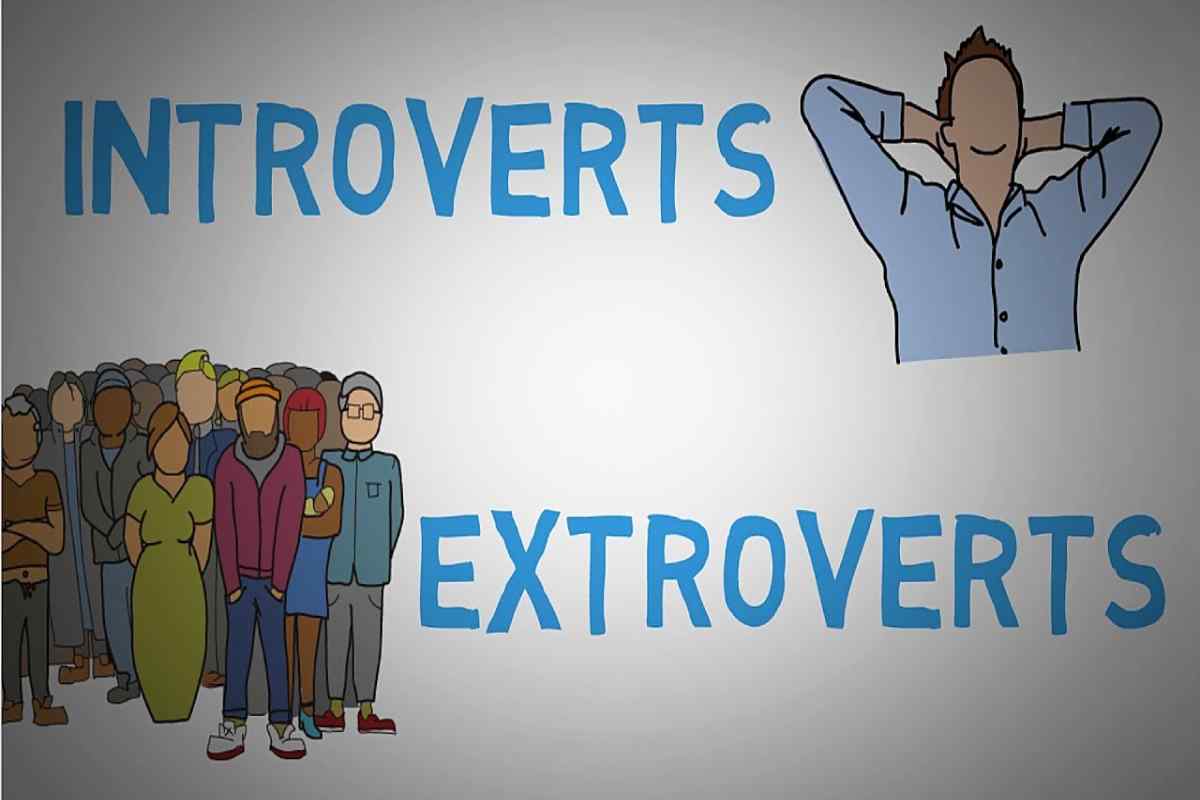
The findings suggested that more outgoing individuals may find certain aspects of remote work easier because they tend to gain energy from social interaction, collaboration, and shared challenges. They may actively seek opportunities to communicate with colleagues and solve problems together.
This Article Belongs To Beauty Tips
Introverted individuals, on the other hand, may experience remote work differently. They may need to make a more conscious effort to maintain social connections and find motivation when working independently.
Personality is only one factor, however. Work environment, family circumstances, workload, job design, and individual preferences can all influence how someone responds to working from home.
For broader information about personality traits and psychological behavior, the American Psychological Association provides educational resources on personality.
Extra Importance of Feedback From Managers
Managers should recognize that employees have different personalities, communication preferences, and working styles. During periods of remote work, regular feedback and communication can be particularly valuable.
Introverted employees may not always initiate conversations or ask for assistance, so managers should make an effort to check in with them without overwhelming them with unnecessary meetings.
At the same time, highly extroverted employees may benefit from opportunities to communicate, collaborate, and exchange ideas with colleagues.
Rather than treating everyone in exactly the same way, managers can consider individual strengths and preferences when organizing communication, meetings, teamwork, and independent assignments.
Personality psychology often examines traits through frameworks such as the Big Five, which includes extraversion, conscientiousness, openness, agreeableness, and neuroticism. These traits can provide a useful framework for understanding differences between individuals, although they do not determine how a person will behave in every situation.
Family and Home Environment Matter Too
Personality is not the only factor that affects productivity at home. The surrounding environment can have a major influence on concentration and job satisfaction.
Working in a quiet room may not always be enough. Family members working or studying in the same home, household responsibilities, children returning from school, or other interruptions can make it difficult to concentrate.
Even people who live alone may find that household chores, entertainment, or other distractions compete for their attention.
For some individuals, the structure and separation of a traditional workplace simply make it easier to focus.
Creating a dedicated workspace, establishing working hours, turning off unnecessary notifications, and taking regular breaks can make remote work more manageable.
It is also useful to maintain healthy daily habits while working from home. For example, people who regularly consume coffee or other caffeinated drinks may benefit from understanding how caffeine affects the body and considering how their caffeine intake fits into their daily routine.
Many People Enjoy Working From Home
Remote work has become an important part of modern working life. Many employees appreciate the flexibility of working from home and have found ways to remain productive outside a traditional office.
Working remotely can eliminate commuting, provide greater control over the work environment, and make it easier for some people to balance professional and personal responsibilities.
However, remote work does not need to mean working alone all the time. Hybrid arrangements can provide employees with a combination of home-based flexibility and opportunities for face-to-face collaboration.
Employers can also support remote employees by providing clear expectations, effective communication tools, appropriate resources, and opportunities for social interaction.
Teaching Extroverts and Introverts
Personality can also influence learning preferences. The first component of many learning-style discussions focuses on how learners interact with the outside world.
Extroverted learners may enjoy opportunities to communicate with others, exchange ideas, participate in discussions, and collaborate on projects. Group activities, problem-solving exercises, and simulated experiences may be engaging for students who enjoy social interaction.
Introverted learners may prefer opportunities to think independently, research topics in depth, and work through problems before discussing their conclusions with others.
However, these are general tendencies rather than strict categories. Students can enjoy both individual and collaborative learning depending on the subject, environment, and task.
Characteristics of Extroverted Learners
Extroverted learners may commonly:
- Enjoy interacting with other people
- Feel comfortable participating in group activities
- Build large social networks
- Enjoy discussions and collaborative projects
- Share ideas openly
- Gain motivation from social interaction
- Become restless when isolated for extended periods
They may also have a lively verbal communication style and enjoy explaining ideas through conversation, examples, or stories.
Group projects can be particularly engaging because they provide opportunities to exchange ideas and receive immediate feedback from classmates.
Characteristics of Introverted Learners
Introverted learners may commonly:
- Prefer quiet and reflective environments
- Think carefully before responding
- Enjoy independent research
- Prefer working on individual assignments
- Maintain a smaller circle of close friends
- Feel comfortable spending time alone
- Find prolonged social interaction tiring
Introverted students may prefer to analyze a problem and consider different possibilities before presenting an answer. They may also enjoy theoretical subjects and activities that allow them to explore ideas independently.
However, being introverted does not mean someone dislikes people or cannot work effectively in groups. Many introverted students and professionals are highly successful in collaborative environments when they have sufficient time to prepare and contribute in ways that suit them.
Extroverts and Introverts Can Both Succeed
The idea that extroverts automatically enjoy working or learning from home more than introverts is too simplistic. People respond differently to remote environments, and personality is only one part of the picture.
An extrovert may miss daily social interaction, while another may appreciate the freedom to control their schedule. Similarly, an introvert may enjoy the quiet environment of home but still experience loneliness without meaningful social connections.
The best approach is to recognize individual differences rather than assuming that everyone with the same personality trait will have the same experience.
Employers and educators can create flexible environments that offer both collaboration and independent work. Giving people choices in how they communicate, learn, and complete tasks can help different personality types perform at their best.
Creating a Balanced Home Environment
Whether you are working or studying from home, creating a healthy routine can make a significant difference.
Consider:
- Establishing consistent working or study hours
- Creating a dedicated workspace
- Taking regular breaks
- Staying connected with colleagues, classmates, friends, or family
- Limiting unnecessary distractions
- Setting clear boundaries between work and personal time
- Getting enough sleep and physical activity
- Using both individual and collaborative learning opportunities
Taking occasional breaks can also include activities away from screens. If you’re planning a trip or simply interested in practical lifestyle advice, these travel beauty tips and packing ideas can provide useful inspiration.
Maintaining balance is particularly important when working from home because the boundaries between professional and personal life can easily become blurred.
Personality and Everyday Well-Being
Understanding your personality can help you identify environments in which you feel comfortable and productive. However, personality should not be used to place people into rigid categories.
Someone who prefers working alone may still enjoy social activities, while someone who loves being around people may occasionally need quiet time. The most effective approach is to understand your own preferences while remaining flexible.
Maintaining well-being also means recognizing when everyday habits or circumstances are becoming difficult to manage. If substance use begins affecting work, relationships, or daily life, professional support may be appropriate. Resources such as this guide to alcohol rehabilitation can provide general information about treatment and recovery options.
Conclusion
Extroverts and introverts can both succeed when working or studying from home, but they may experience the environment differently. Extroverted individuals may gain energy from collaboration and regular social interaction, while introverted individuals may appreciate quiet environments and opportunities for independent work.
Ultimately, personality is just one factor among many. Home circumstances, workplace expectations, communication, learning preferences, and individual routines can all influence productivity and satisfaction.
By understanding these differences, employers, teachers, and individuals can create more flexible environments that allow people with different personalities to work and learn effectively.