
Table of Contents
Dates Definition
Dates are small, naturally sweet fruits that are commonly eaten fresh or dried. They have become increasingly popular because they can provide sweetness in recipes without the need to add as much refined sugar.
Dates are the fruit of the date palm and are cultivated in many warm regions around the world. They can be eaten on their own or incorporated into sweet and savory dishes.
This Article Belongs To Beauty Tips
Nutritional Value of Dates
Dates are naturally rich in carbohydrates and contain dietary fiber, minerals, and several vitamins. When dates are dried, much of their water content is removed, making their nutrients and natural sugars more concentrated by weight.
Their nutritional profile includes:
- Natural sugars
- Dietary fiber
- Potassium
- Calcium
- Iron
- Vitamin A precursors
- B vitamins
- Small amounts of vitamin C, particularly in fresh dates
The exact nutritional content varies depending on the variety and whether the dates are fresh or dried.
For more information about how physical activity and nutrition can work together as part of a healthy lifestyle, read our guide to physical aptitude and its benefits.
Who May Benefit From Eating Dates?
Athletes
Dates can be a convenient source of carbohydrates, making them useful as part of a meal or snack for people who participate in endurance activities. Their natural sugars provide carbohydrates, while their potassium and other nutrients contribute to an overall balanced diet.
However, individual nutritional needs vary depending on the type, duration, and intensity of exercise.
Children
Dates have a naturally sweet flavor that many children enjoy. They can be chopped and added to oatmeal, yogurt, cereal, or homemade snacks.
Because dried dates are sticky and relatively high in natural sugars, children should maintain good oral hygiene after eating them.
People Looking to Increase Fiber Intake
Dates contain dietary fiber, which contributes to normal digestive function. Including fiber-rich foods in a balanced diet may help support regular bowel movements.
Adequate fluid intake is also important when increasing dietary fiber.
Who Should Be Cautious With Dates?
People Concerned About Dental Health
Dried dates are sticky and contain naturally occurring sugars. Frequent consumption of sticky, sugary foods can contribute to tooth decay, particularly when oral hygiene is inadequate.
Good dental hygiene and regular dental checkups are therefore important.
People Following a Potassium-Restricted Diet
Dates contain potassium. People who have been advised by a healthcare professional to follow a potassium-restricted diet, such as some people with kidney disease, may need to monitor their intake.
If you have been prescribed a specific diet, follow your healthcare professional’s advice regarding portion sizes and food choices.
People Sensitive to Certain Foods
Some people may experience headaches or other symptoms after eating particular foods. If you consistently notice symptoms after consuming dates, keep a food diary and discuss your concerns with a healthcare professional.
Types of Dates
There are many varieties of dates, and they differ in flavor, texture, size, color, and moisture content. They are commonly classified as soft, semi-dry, or dry.
Medjool Dates
Medjool dates are generally soft, large, sweet, and have a rich, caramel-like flavor. Their soft texture makes them popular in desserts, energy bites, smoothies, and baking.
Deglet Noor Dates
Deglet Noor dates are generally semi-dry and have a firmer texture than Medjool dates. They are widely used in both sweet and savory recipes.
Khadrawy Dates
Khadrawy dates are known for their soft texture and sweet flavor. They can be enjoyed fresh or dried, depending on availability.
Halawy Dates
Halawy dates are soft and sweet, making them suitable for eating as a snack or incorporating into desserts.
Barhi Dates
Barhi dates can be enjoyed at different stages of ripeness. Fresh Barhi dates have a softer texture and a distinctive sweet flavor.
How to Use Dates in Recipes
Dates are versatile and can be used in both sweet and savory dishes.
For example, you can use them to prepare:
- Cakes
- Energy balls
- Smoothies
- Breakfast bowls
- Salads
- Sandwiches
- Skewers
- Stuffed dates
- Sauces
- Desserts
Dates can also be paired with meats, cheeses, nuts, and vegetables to create sweet-and-savory combinations.
In main dishes, chopped dates can add natural sweetness to salads, rice dishes, vegetable preparations, poultry, and fish.
For breakfast, dates can be combined with oatmeal, cereal, yogurt, pears, apples, and nuts.
Dates and a Healthy Diet
Dates can be part of a balanced diet, but portion size is worth considering because dried dates contain concentrated amounts of naturally occurring sugar and calories.
They can be particularly convenient as a snack when paired with foods containing protein or healthy fats, such as nuts or yogurt.
Maintaining a balanced diet alongside regular physical activity is an important part of overall wellness. You can also learn more about obesity, its types, and its causes to better understand the relationship between body weight and health.
How to Keep Dates Longer
Dried dates generally have a relatively long shelf life when stored properly.
After opening, store dates in a clean, airtight container in a cool, dry place away from direct sunlight. For longer storage, refrigeration can help maintain their quality.
Always check dates for unusual mold, off odors, or other signs of spoilage before eating them.
The storage life depends on whether the dates are fresh or dried, their moisture content, packaging, and storage conditions.
What Do You Need to Know About Dates?
Season
Dates are available in many markets throughout the year because they are commonly sold dried and can be stored for extended periods.
Fresh dates are more seasonal and availability varies by variety and growing region.
Benefits
Dates provide dietary fiber, carbohydrates, potassium, and other nutrients. They can be a convenient source of natural sweetness and can be incorporated into many different meals and snacks.
Ideal Uses
Dates can be useful for:
- A convenient snack
- Adding sweetness to recipes
- Increasing dietary fiber intake
- Pre- or post-exercise snacks when appropriate
- Sweetening homemade foods
If you are interested in healthy lifestyle habits that can support good sleep, you can also read our guide to somniphobia, its symptoms, treatments, and how to deal with it.
Fresh Dates vs. Dried Dates
Fresh and dried dates differ mainly in their moisture content and texture.
Fresh dates generally contain more water and have a softer, sometimes firmer texture depending on their stage of ripeness. Dried dates have less water, which makes their natural sugars and calories more concentrated by weight.
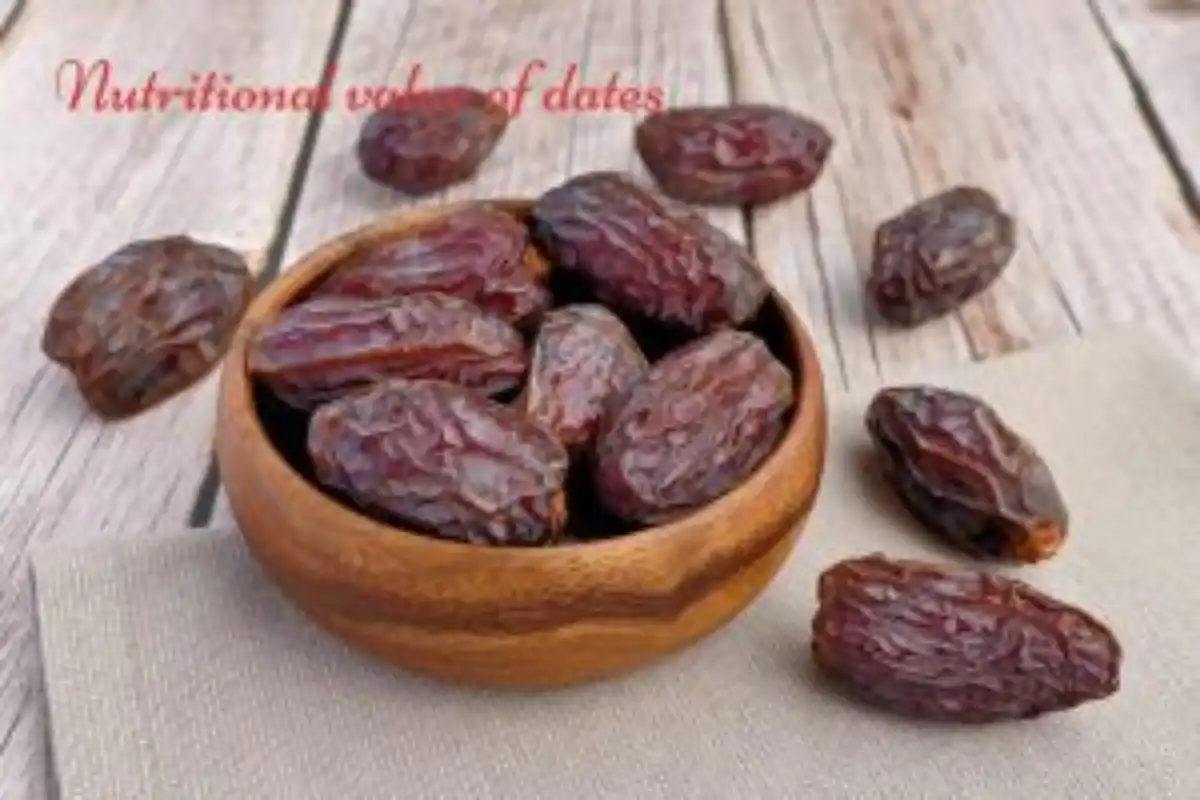
The appearance can also provide clues about texture. Many dried dates have wrinkled skin, while some fresh varieties have smoother skin.
Health and Nutrition Information
Dates can contribute useful nutrients to a balanced eating pattern, but they should not be considered a cure or treatment for any health condition.
For reliable nutritional information about dates and other foods, the USDA FoodData Central database provides nutrient data for a wide range of foods.
Conclusion
Dates are the fruits of the date palm and are cultivated in many warm regions around the world. They are available fresh and dried, although dried dates are particularly common in many countries.
They have a naturally sweet flavor and provide carbohydrates, dietary fiber, potassium, and other nutrients. Their versatility makes them suitable for snacks, breakfast foods, desserts, salads, and savory dishes.
Medjool and Deglet Noor are among the best-known varieties, while many other types are enjoyed around the world.
Whether eaten alone or incorporated into recipes, dates can be a flavorful part of a varied and balanced diet.