
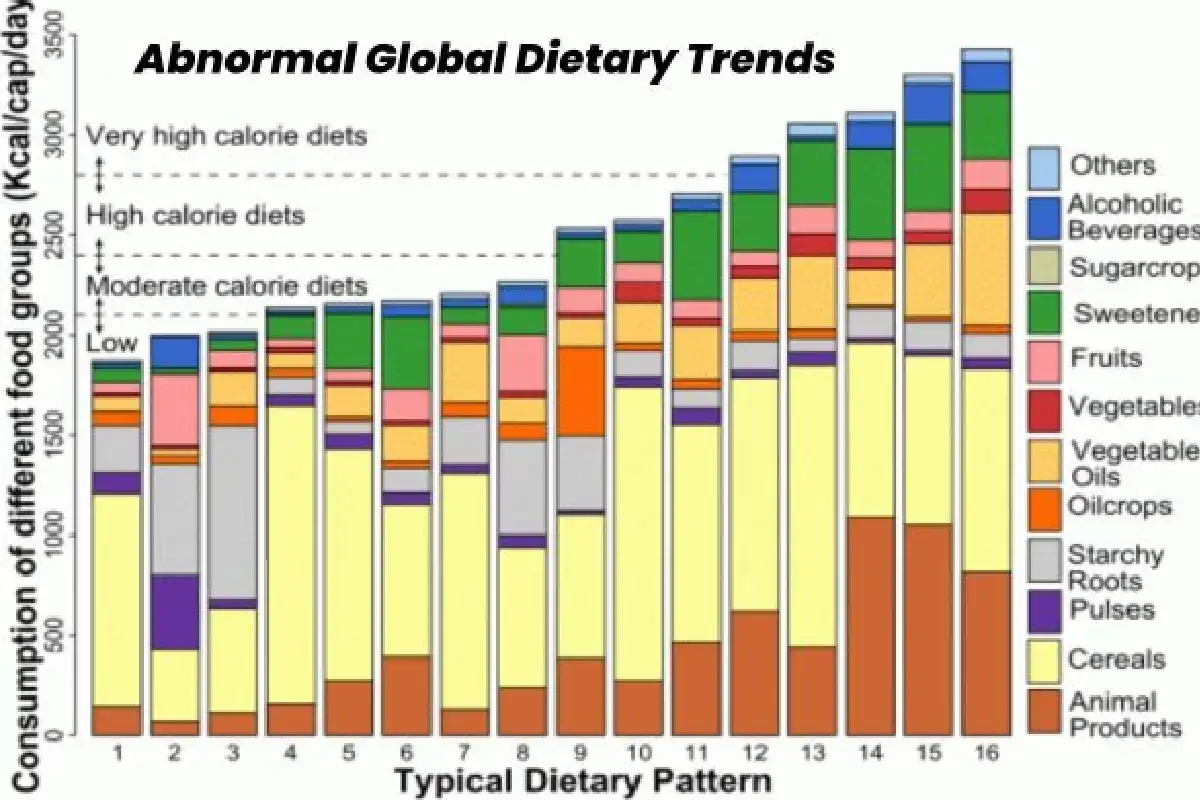
Today, technology allows us to create incredible things, from artificial intelligence to online entertainment, yet many people still struggle with something as basic as eating a healthy diet.
Modern lifestyles have changed the way we shop, cook, and eat. Highly processed foods are easier to find, meals are increasingly eaten on the go, and fresh whole foods are often pushed aside for convenience.
This Article Belongs To Beauty Tips
So, what exactly has changed?
Table of Contents
1. Refined and Processed Food
One of the biggest changes in modern diets is the growing dependence on refined and highly processed foods.
Instead of getting most of our calories from vegetables, fruits, whole grains, legumes, nuts, and other minimally processed foods, many people rely heavily on products containing refined flour, added sugar, processed fats, and numerous additives.
These foods can be convenient, but they are often much less filling and nutritious than whole-food alternatives. Eating them frequently can also make it easier to consume more calories than the body actually needs.
A healthy diet doesn’t have to be complicated. The basic principle is simple: eat more whole foods and reduce your dependence on highly processed products.
This is also one reason why eating habits matter when you’re trying to improve your overall appearance and well-being. A proper diet can complement other aspects of a healthy lifestyle, including exercise, sleep, skincare, and personal care. For more practical ideas, see our guide on how to get a glow up.
The World Health Organization’s healthy diet guidance also emphasizes the importance of eating a variety of nutritious foods while limiting foods high in unhealthy fats, free sugars, and sodium.
2. Growing Grain Consumption
Grains have always been an important part of the human diet, but the problem isn’t necessarily grains themselves. The bigger concern is how much refined grain people consume and how frequently it appears in modern processed foods.
White bread, pastries, biscuits, cakes, packaged snacks, and other products made with highly refined flour can provide plenty of calories without supplying the same amount of fiber and nutrients found in whole grains.
At the same time, modern food production has made refined grain products incredibly inexpensive and easy to consume.
The result is a diet in which refined carbohydrates can appear at breakfast, lunch, dinner, and snacks without people even realizing how much they are eating.
Whole grains, vegetables, fruits, beans, and other sources of dietary fiber can provide a more balanced approach.
It is also important not to blame gluten for every digestive problem. People with celiac disease or medically diagnosed gluten-related conditions may need to avoid gluten, but that does not mean everyone needs a gluten-free diet.
3. Overreliance on Medication
Medication has an important and sometimes essential role in healthcare. When prescribed appropriately, medicines can treat diseases, control symptoms, and save lives.
The problem begins when people treat medication as a substitute for healthy habits.
A headache appears, and a pill is taken. The stomach feels uncomfortable, and another medicine is reached for. Heartburn, body aches, bloating, or a mild symptom appears, and the first response is often to search the medicine cabinet.
This can become a habit.
Of course, persistent or serious symptoms should never simply be ignored. Working with a qualified healthcare professional is important, especially when symptoms continue or involve conditions such as high blood pressure, abnormal blood glucose, high cholesterol, or chronic inflammation.
For women’s health concerns in particular, professional medical guidance can be valuable. You can learn more about Dr. Kamakshi Bhaskarla and women’s healthcare.
The key point is that medication and lifestyle are not competing solutions. When appropriate, they work together. A healthy diet, physical activity, adequate sleep, and regular medical care all have their own roles.
Health requires active participation rather than simply waiting for a pill to solve every problem.
4. Reduced Vegetable and Plant-Food Consumption
Another worrying dietary trend is the lack of vegetables and other whole plant foods in everyday meals.
For many people, an entire day can pass without eating a meaningful portion of vegetables. Some may eat fruit occasionally, but even that doesn’t necessarily compensate for a diet lacking in vegetables, legumes, whole grains, nuts, and seeds.
Whole plant foods provide fiber, vitamins, minerals, and many other beneficial compounds. Fiber can also help support digestion and contribute to a feeling of fullness after meals.
Convenience is one of the biggest obstacles.
When you’re busy, grabbing a bun, biscuit, packaged snack, or fast-food meal can feel much easier than preparing vegetables and a balanced meal.
Even making small changes can help. Add vegetables to lunch and dinner, choose fruit as a snack, include beans or lentils in meals, and gradually increase the variety of plant foods you eat.
And variety matters.
If you’ve already moved from cakes and packaged sweets toward apples or other fruit, that’s a positive step. But the goal shouldn’t be to live on one “healthy” food. A diverse diet is generally more useful than relying on the same food repeatedly.
Our article on eating the same food all the time explains more about why food variety can matter when building sustainable eating habits.
5. The Sharp Increase in Added Sugar
Sugar consumption has changed dramatically over the past several decades, and added sugars are now found in a huge range of packaged foods and beverages.
The obvious sources are sweets, cakes, cookies, soft drinks, and desserts. But added sugar can also appear in products that don’t taste particularly sweet, including sauces, breakfast cereals, flavored dairy products, and some types of bread.
This makes it surprisingly easy to consume more added sugar than intended.
High-fructose corn syrup is another sweetener used in many processed foods and drinks, particularly in some countries. However, it is important to focus on the overall dietary pattern rather than treating one sweetener as the only problem.
Excessive intake of added sugars can contribute to excessive calorie intake and may increase the risk of several health problems when consumed regularly in large amounts.
Rather than replacing every sweet food with another sweetener, it can be useful to gradually train your taste buds to prefer less sweetness.
Fresh fruit can be a good alternative to many sugary desserts because it provides sweetness along with fiber and other nutrients.
Honey and dried fruit can also fit into a balanced diet, but they are not “free” foods simply because they are perceived as natural. Honey still contains sugar, while dried fruit is concentrated and can be easy to overeat.
The bigger issue is the overall dietary pattern: too many ultra-processed foods, too little fiber, too few vegetables, and too much added sugar.
6. Convenience Has Replaced Conscious Eating
Perhaps the biggest global dietary trend isn’t a single ingredient at all. It’s convenience.
People are working longer hours, eating in front of screens, ordering meals through apps, grabbing snacks between meetings, and relying on packaged foods because they are fast and inexpensive.
The problem is that convenience can gradually become the default.
A balanced meal requires some planning. Vegetables need to be purchased. Ingredients need to be prepared. Meals sometimes need to be cooked in advance.
But healthy eating doesn’t require spending hours in the kitchen every day.
Simple meals can work: vegetables with eggs, lentils with rice, fruit with yogurt, whole grains with beans, or a balanced home-cooked meal with a source of protein and plenty of vegetables.
The goal isn’t perfection. The goal is to make healthier choices more often.
And remember that nutrition is only one part of overall well-being. Regular movement, adequate sleep, stress management, personal hygiene, skincare, and other healthy habits also contribute to how you look and feel. If you’re interested in improving your appearance as part of a broader lifestyle change, explore these beauty secrets for a better-looking face.
The Bottom Line
Modern food systems have made eating easier than ever, but easier doesn’t always mean healthier.
The solution isn’t to fear every packaged food, completely eliminate carbohydrates, or blame one ingredient for every health problem.
Instead, focus on the fundamentals:
- Eat more vegetables and fruits.
- Choose whole grains more often than refined grains.
- Include legumes, nuts, and seeds regularly.
- Choose minimally processed foods when practical.
- Limit foods and drinks high in added sugar.
- Pay attention to portion sizes.
- Drink enough water.
- Stay physically active.
- Don’t use medication as a replacement for healthy lifestyle habits.
- Seek professional medical advice when symptoms persist or when you have a diagnosed condition.
Learning about nutrition is also a form of self-improvement. The more reliable information you have, the easier it becomes to make informed decisions rather than following every diet trend that appears online.
If you want to continue developing healthy habits, our guide to the best learning platforms can also help you find useful resources for ongoing education.
Finally, don’t ignore persistent physical symptoms simply because they seem minor. For example, ongoing discomfort or problems involving your hands should be properly evaluated rather than repeatedly masked with medication. You can read more about common causes of hand pain as a starting point.
A healthier diet doesn’t need to happen overnight. Small, consistent improvements can eventually become the habits that protect your health for years to come.