
Trendy Furniture
Furniture trends continue to evolve as homeowners look for interiors that combine comfort, personality, functionality, and visual appeal. While some styles come and go quickly, others remain popular because they adapt easily to different types of homes.
Today’s trendy furniture embraces expressive shapes, natural materials, vintage influences, handcrafted details, and flexible designs. From Art Deco-inspired pieces to seventies-style seating and sustainable vintage furniture, there are many ways to bring character into a living space.
This Article Belongs To Beauty Tips
Riviera-Inspired Furniture
Riviera-inspired interiors are associated with warmth, simplicity, and relaxed elegance. Furniture in this style often combines natural textures, light colours, practical forms, and decorative details that create an inviting atmosphere.
Wooden furniture, woven accessories, ceramics, and soft textiles can work together to create a comfortable interior without making the space feel overly formal. This approach is particularly suitable for people who want their homes to feel bright, welcoming, and timeless.
Autumn-Inspired Interiors
Seasonal decorating can also influence furniture and interior styling. During autumn, warm textures, earthy colours, natural materials, and nature-inspired patterns can make a room feel more comfortable and inviting.
A wooden coffee table, textured armchair, soft rug, or warm-toned cabinet can introduce seasonal character without requiring a complete redesign. Small decorative changes can often refresh an interior while allowing the main furniture pieces to remain in place.
Art Deco Style Furniture
Art Deco continues to influence contemporary furniture design through its combination of elegance, geometric forms, rich materials, and decorative details.
Modern Art Deco furniture may feature dark wood, brass or metallic accents, glass surfaces, symmetrical shapes, and decorative patterns. A glass cabinet with metallic detailing, for example, can add sophistication to a contemporary living room.
The key to using this style successfully is balance. A few distinctive Art Deco pieces can create visual interest without making an entire room feel overly elaborate.
Trendy 1970s Furniture
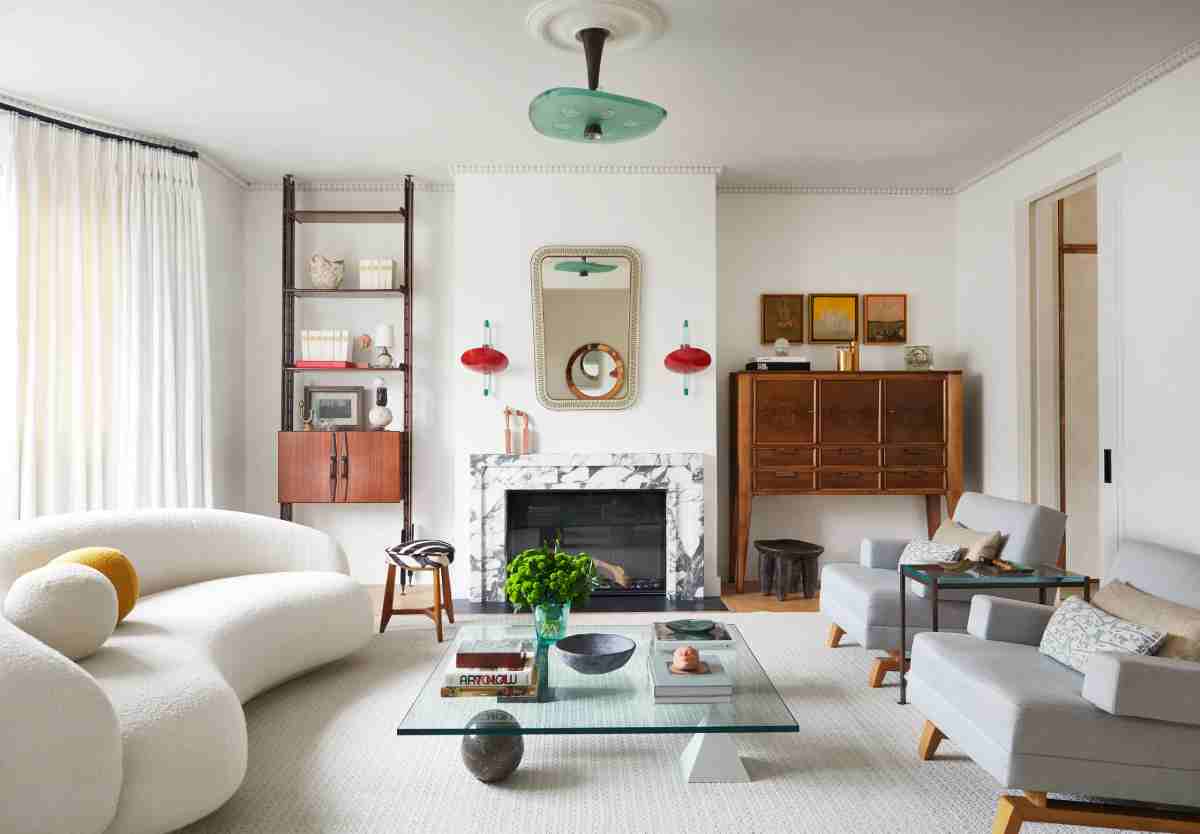
The design language of the 1970s has also returned to contemporary interiors. This style is known for low-profile furniture, rounded silhouettes, bold shapes, warm colours, and comfortable seating.
Curved sofas, lounge chairs, sculptural stools, and textured upholstery can bring a relaxed seventies-inspired character to a room. Materials such as velvet, leather, wood, and acrylic can also be incorporated into modern interpretations of the trend.
Rather than reproducing an entire 1970s interior, homeowners can select one or two statement pieces and combine them with contemporary furniture.
Ethnic-Inspired Furniture
Furniture influenced by traditional craftsmanship can add texture, cultural character, and individuality to a home. Natural wood, woven fibres, carved details, and handmade textiles are commonly used in this type of interior.
Low tables, woven chairs, handcrafted cabinets, and decorative seating can create an organic atmosphere. Combining traditional craftsmanship with modern furniture can also produce a balanced look that feels both contemporary and distinctive.
When purchasing culturally inspired furniture or décor, it is worth considering the origins and craftsmanship of the item and supporting responsible makers where possible.
Modern Craft Furniture
Modern craft furniture focuses on authenticity, natural materials, visible craftsmanship, and distinctive forms. Unlike highly uniform mass-produced furniture, handcrafted pieces often have subtle variations that give them individual character.
Wood, stone, rattan, linen, and other natural materials can contribute to a warm and organic atmosphere. Handmade cabinets, tables, shelving, and seating can become focal points within a room.
The growing interest in craftsmanship also reflects wider consumer interest in durability and long-lasting products. Choosing furniture that is designed to be repaired, maintained, and used for many years can reduce the need for frequent replacement.
Caning and Woven Furniture
Caning is another furniture detail that has remained popular in contemporary interiors. Traditionally associated with woven rattan cane, it can now be found on cabinet doors, chairs, headboards, sideboards, and decorative panels.
The open woven texture creates a lighter visual appearance and works well with wood, metal, velvet, and contemporary furniture shapes.
Caned furniture can fit particularly well into natural, minimalist, vintage, and modern interiors. A single caned cabinet or chair can introduce texture without overwhelming the rest of the décor.
Vintage Furniture and Secondhand Pieces
Vintage furniture remains an important part of interior design. Secondhand shopping allows homeowners to find distinctive pieces that may have more character than newly manufactured furniture.
Old cabinets, tables, chairs, desks, and storage pieces can sometimes be repaired, refinished, repainted, or repurposed. For example, an old table can be restored as a work desk, while a vintage cabinet can become a statement storage piece.
Reusing existing furniture can also help extend the useful life of products and reduce unnecessary consumption. However, older furniture should be inspected carefully for structural damage, harmful materials, or repairs that may require professional attention.
Trendy Outdoor Furniture
Outdoor areas such as balconies, patios, terraces, and gardens can be treated as extensions of indoor living spaces. Coordinating colours, materials, and furniture styles can create a more cohesive home environment.
Popular outdoor furniture options include tables, lounge chairs, deckchairs, benches, and outdoor sofas. When choosing these pieces, consider the local climate and the amount of exposure to sunlight, moisture, wind, and temperature changes.
Furniture designed specifically for outdoor use is generally more appropriate than indoor furniture placed outside. Protective covers and suitable storage can also help extend the life of outdoor pieces.
For people creating a home environment that supports an active lifestyle, practical furniture can be complemented by a dedicated exercise area. Our guide to types of treadmills can help readers learn more about different treadmill designs and features.
Creating a Stylish and Functional Home
Trendy furniture does not necessarily mean replacing everything in a room whenever a new design becomes popular. A more practical approach is to combine timeless foundational pieces with a few trend-focused additions.
For example, a neutral sofa can be paired with a vintage side table, a woven cabinet, or a statement armchair. Similarly, natural wood furniture can be combined with modern lighting and contemporary textiles.
A comfortable and functional home should also support everyday habits. Readers interested in maintaining a healthy lifestyle can explore these weight-loss tips for women over 40 for general lifestyle and wellness information.
Food and kitchen spaces can also benefit from thoughtful organisation and natural design elements. For inspiration on adding nutritious vegetables to meals, see our guide to red turnips and their nutritional properties.
For additional guidance on sustainable choices and responsible consumption, the United Nations Sustainable Development Goals provide useful information about broader sustainability principles.
Conclusion
Trendy furniture combines changing design influences with practical needs such as comfort, durability, functionality, and personal expression. Art Deco details, seventies-inspired shapes, handcrafted furniture, woven caning, vintage pieces, and natural materials can all contribute to an attractive and distinctive interior.
Rather than following every trend, homeowners can select furniture that suits their lifestyle and combine contemporary pieces with timeless or secondhand items. This approach creates a home that feels personal, comfortable, and adaptable while allowing individual furniture pieces to remain useful for years to come.