
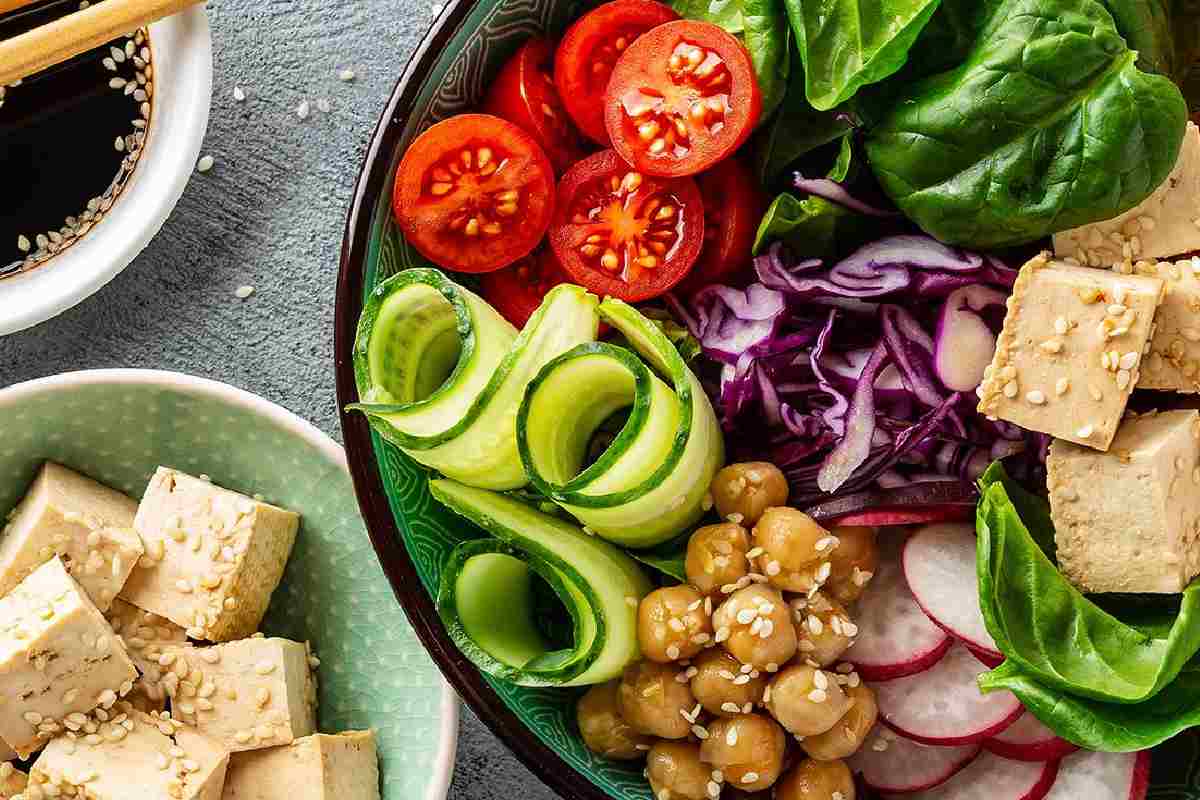
Thinking of going Vegan or Vego? Read this first
Are you thinking about going vegan? A well-planned vegan diet can provide many of the nutrients needed for good health, but changing your eating pattern requires some preparation. This is particularly important for people who exercise regularly, because adequate energy, protein, vitamins, and minerals are essential for supporting training and recovery.
Vegetarian and vegan diets have a long history. People have followed plant-based eating patterns for health, cultural, environmental, moral, and ethical reasons. Today, vegan diets have become increasingly popular, but following one successfully requires more than simply removing meat and dairy from meals.
This Article Belongs To Beauty Tips
Is a Vegan Diet Healthy?
A vegan diet can be healthy when it is properly planned and includes a wide variety of nutrient-rich foods. However, simply avoiding animal products does not automatically make a diet nutritionally balanced.
A well-planned vegan diet can include vegetables, fruits, legumes, whole grains, nuts, seeds, fortified foods, and appropriate supplements. Important nutrients that deserve particular attention include:
- Protein
- Iron
- Vitamin B12
- Calcium
- Zinc
- Omega-3 fatty acids
- Vitamin D
- Iodine
Some people may find a vegan eating pattern easy to follow, while others may need additional planning to meet their nutritional needs. Individual requirements can also vary according to age, activity level, pregnancy status, and other factors.
For people interested in plant-based foods, our guide to red turnips and their nutritional properties provides another example of how vegetables can contribute to a varied diet.
Iron and Vegan Diets
Iron is an essential mineral involved in several important functions, including oxygen transport and energy metabolism. Plant foods generally contain non-heme iron, while meat and seafood provide heme iron.
Non-heme iron is absorbed differently from heme iron, and its absorption can be influenced by other foods consumed during the same meal. For this reason, people following vegan diets should pay attention to regular sources of iron.
Good plant-based sources include:
- Lentils and beans
- Chickpeas
- Tofu and other soy foods
- Fortified cereals
- Pumpkin seeds
- Nuts
- Dark leafy vegetables
Eating vitamin C-rich foods alongside plant sources of iron can improve the absorption of non-heme iron. Examples include oranges, kiwi, tomatoes, strawberries, and bell peppers.
People who are concerned about iron deficiency should speak with a healthcare professional rather than taking high-dose iron supplements without appropriate assessment.
Protein and Vegan Diets
A vegan diet can provide sufficient protein when a variety of protein-rich foods are consumed throughout the day.
Useful plant-based protein sources include:
- Beans and lentils
- Chickpeas
- Tofu and tempeh
- Soy milk
- Peas
- Nuts and seeds
- Whole grains
Plant proteins differ in their amino-acid profiles, so eating a varied diet is helpful. There is generally no need to combine specific plant proteins in every meal; consuming a variety of protein sources across the day can help provide a broad range of essential amino acids.
People who exercise frequently may have higher protein requirements, making deliberate meal planning particularly important.
Micronutrients to Consider
Anyone switching to a vegan diet should understand which nutrients may require additional attention. A varied diet can provide many vitamins and minerals, but some nutrients are difficult to obtain in adequate amounts from unfortified plant foods alone.
Vitamin B12
Vitamin B12 deserves particular attention because reliable natural sources are limited in vegan diets.
Vegans should generally obtain B12 through fortified foods or a suitable vitamin B12 supplement. The appropriate supplement and dosage can vary, so professional advice may be useful.
Zinc
Zinc contributes to normal immune function, wound healing, protein synthesis, and other physiological processes.
Plant sources include beans, lentils, nuts, seeds, whole grains, and fortified foods. Because compounds called phytates can reduce zinc absorption from some plant foods, consuming a varied diet and using appropriate food-preparation methods can be helpful.
Omega-3 Fatty Acids
Plant foods such as flaxseeds, chia seeds, walnuts, and hemp seeds provide alpha-linolenic acid (ALA), an essential omega-3 fatty acid.
The body can convert ALA into the longer-chain omega-3 fatty acids EPA and DHA, although conversion is limited. Vegan DHA and EPA supplements made from algae are another option for people who want a direct source of these fatty acids.
Calcium on a Vegan Diet
Calcium is important for maintaining bones and teeth and supporting normal muscle and nerve function.
Vegans can obtain calcium from several plant-based and fortified foods, including:
- Calcium-fortified plant milks
- Calcium-set tofu
- Fortified cereals
- Some leafy green vegetables
- Almonds and other nuts
- Tahini and sesame seeds
- Certain beans and legumes
Not all plant foods provide calcium in the same amount, and absorption varies between foods. For example, some leafy greens contain compounds that reduce calcium absorption, while calcium-set tofu and fortified plant milks can provide highly useful sources.
Vitamin D also plays an important role in calcium absorption and bone health. You can learn more about dietary sources of vitamin D in our article on [vitamin D-rich foods for a healthy body].
Starch and Whole-Plant Foods
Carbohydrates are an important source of energy, particularly for people who exercise regularly. Vegan diets can include carbohydrate-rich foods such as oats, potatoes, rice, whole grains, beans, fruits, and other plant foods.
Starch is a carbohydrate found naturally in many plant foods. Choosing minimally processed sources of carbohydrates can make it easier to build nutritious meals while also providing fibre and other nutrients.
For more information, read our guide to starch, its definition, functions, and benefits.
Planning a Balanced Vegan Diet
A balanced vegan meal can be built around several components:
- A protein source such as beans, lentils, tofu, or tempeh
- Whole grains or other carbohydrate-rich foods
- A variety of vegetables
- Fruits
- Nuts or seeds
- Healthy sources of dietary fat
- Fortified foods where appropriate
- Zucchini definition
Eating a variety of foods is more important than relying heavily on one particular ingredient or “superfood.”
People who train intensely may also need to pay attention to total calorie intake, carbohydrate availability, protein intake, hydration, and recovery.
Should You Have Blood Tests?
Routine testing is not necessarily required for every healthy person simply because they follow a vegan diet. However, people with symptoms, known nutritional concerns, restrictive diets, or specific risk factors may benefit from discussing appropriate blood tests with a healthcare professional.
Tests may be considered when clinically appropriate to assess nutrients such as iron or vitamin B12.
For evidence-based information about vegetarian and vegan dietary patterns, the NHS guide to vegetarian and vegan diets is a useful additional resource.
Final Thoughts
A vegan diet can be nutritionally adequate when it is carefully planned and includes a wide variety of plant foods, fortified products, and appropriate supplements where necessary.
The key is to focus on overall dietary quality rather than simply eliminating animal products. Pay particular attention to vitamin B12, iron, calcium, zinc, omega-3 fatty acids, vitamin D, protein, and overall energy intake.
With thoughtful meal planning, a varied vegan diet can fit comfortably into an active and healthy lifestyle.