
This Article Belongs To Beauty Tips
Starch is a carbohydrate found in many plant-based foods, particularly cereals, grains, legumes, and tubers. It is a complex carbohydrate, also known as a polysaccharide, made up of many glucose molecules linked together.
Plants produce starch as a way of storing energy. When we eat starchy foods, our digestive system breaks much of that starch down into glucose, which the body can use as an important source of energy.
Starch is therefore an important part of many people’s diets. Foods such as potatoes, rice, corn, wheat, oats, and other grains can provide significant amounts of starch. The type of starch and the way a food is prepared can influence how quickly it is digested.
What Is Starch?
Starch is a plant polysaccharide composed primarily of two types of glucose-based molecules: amylose and amylopectin.
Amylose consists mainly of long, relatively straight chains of glucose molecules, while amylopectin contains many branched chains. The proportion of these two components can vary between different plants and foods.
When starchy foods are consumed, digestive enzymes break the starch into smaller carbohydrate molecules and eventually glucose. The glucose can then enter the bloodstream and be used by cells for energy.
For additional information about carbohydrates and their role in nutrition, the Harvard T.H. Chan School of Public Health provides an evidence-based overview.
Benefits of Starch
Starch can provide several nutritional benefits when consumed as part of a balanced diet. However, its effects depend on the type of starch and the food in which it occurs.
Some foods contain resistant starch, a type of starch that is not completely digested in the small intestine. Instead, some resistant starch reaches the large intestine, where gut bacteria can ferment it.
This process can produce short-chain fatty acids, including butyrate, acetate, and propionate. These compounds are being studied for their potential role in digestive and metabolic health.
Supports a Healthy Gut Microbiota
Resistant starch can act as a substrate for certain beneficial bacteria in the large intestine. During fermentation, these bacteria produce short-chain fatty acids and other compounds.
Butyrate is particularly important because colon cells can use it as an energy source. Research continues to investigate how resistant starch and its fermentation products may influence intestinal health.
Good sources of resistant starch can include legumes, whole grains, and certain cooked-and-cooled starchy foods.
A varied diet that includes vegetables can complement these foods. For example, you can learn more about another nutritious vegetable in our zucchini definition and nutrition guide.
May Help Promote Satiety
Some forms of resistant starch may influence feelings of fullness. Because resistant starch is digested differently from rapidly digestible carbohydrates, it may affect digestion, appetite, and blood glucose responses.
However, the effect can vary depending on the amount consumed, the overall meal, and the individual’s metabolism.
Rather than focusing on starch alone, it is generally more useful to build meals around a combination of complex trendy carbohydrates, protein, vegetables, healthy fats, and fibre.
Supports Healthy Weight Management
Starch itself does not automatically cause weight gain or weight loss. What matters is the overall dietary pattern, portion sizes, energy intake, food quality, and level of physical activity.
Many nutritious foods contain starch, including whole grains, beans, peas, corn, and potatoes. These foods can provide carbohydrates, fibre, vitamins, minerals, and other nutrients.
Choosing minimally processed sources of starch can make it easier to create satisfying and nutrient-rich meals. If you are interested in maintaining a healthy lifestyle, our guide to weight loss tips for women over 40 offers additional practical red-turnips-info.
May Influence Blood Sugar and Fat Metabolism
Different types of starch can have different effects on blood glucose levels. Foods containing more rapidly digestible starch may raise blood glucose more quickly, while foods rich in fibre or resistant starch may produce a slower response.
Amylose and amylopectin also differ in their molecular structures and digestion characteristics. Generally, foods containing more slowly digestible carbohydrates can have a different glycemic response from highly processed, rapidly digested starches.
The overall food matrix is important as well. Cooking method, processing, fibre content, protein, fat, and meal composition can all affect how carbohydrates are digested.
Functions of Starch
Provides Energy
One of the primary functions of dietary starch is to provide energy. During digestion, starch is broken down into glucose, which can be used by cells throughout the body.
The brain and other organs require a continuous supply of energy. Glucose from carbohydrates can therefore contribute significantly to the body’s daily energy requirements.
Supports Brain Function
The brain uses glucose as an important fuel source under normal physiological conditions. Consuming carbohydrate-containing foods can therefore contribute to maintaining the body’s available glucose supply.
However, brain health depends on much more than starch alone. Protein, essential fats, vitamins, minerals, hydration, and overall dietary quality are also important.
Supplies Energy to Cells
Glucose produced during carbohydrate digestion can be transported through the bloodstream and taken up by cells for energy production.
Some glucose is used immediately, while excess glucose can be stored in forms such as glycogen for later use.
Helps Spare Protein
When sufficient carbohydrate and energy are available, the body can use dietary protein primarily for functions such as tissue maintenance, repair, and the production of enzymes and hormones rather than relying heavily on protein as an energy source.
This is one reason carbohydrates can have an important role in a balanced diet.
Starch in the Food Industry
Starch is valuable not only as a food but also as a functional ingredient. Food manufacturers use different types of starch to modify texture, thickness, stability, and appearance.
Depending on its characteristics, starch can be used as:
- A thickening agent
- A binding agent
- A stabilizer
- A film-forming ingredient
- A texturizing agent
- An ingredient in sauces and soups
- A component of bakery products
- An ingredient in processed foods
Modified starches may be specially processed to provide particular properties, such as improved stability during heating, freezing, or storage.
What Are Amylose and Amylopectin?
Amylose
Amylose is one of the two primary components of starch. It consists mainly of long chains of glucose molecules linked together.
Foods with relatively higher proportions of amylose can behave differently during cooking and digestion compared with foods containing more amylopectin.
Amylopectin
Amylopectin is the second major component of starch. Unlike amylose, it has a highly branched molecular structure.
The ratio of amylose to amylopectin contributes to differences in the texture, cooking characteristics, and digestibility of various starchy foods.
Starch in Animals
Plants primarily store carbohydrates as starch, while animals store glucose mainly as glycogen.
Glycogen is stored primarily in the liver and skeletal muscles. When the body needs additional glucose, stored glycogen can be broken down and used to help meet energy requirements.
The processes involved in making glycogen from glucose and breaking glycogen down are regulated by several hormones and metabolic pathways.
Therefore, although starch and glycogen both serve as carbohydrate storage forms, they perform these roles in different types of organisms.
Starch as a Polysaccharide
A polysaccharide is a carbohydrate made up of many monosaccharide units connected together.
Starch is a polysaccharide because it consists of long chains of glucose molecules. Other important polysaccharides include glycogen and cellulose.
The structure of each polysaccharide determines how it behaves in the body and whether human digestive enzymes can break it down efficiently.
Starch and Cellulose
Starch and cellulose are both plant polysaccharides made from glucose units, but their molecular structures are different.
Humans can digest starch because our digestive enzymes can break its particular glucose linkages apart. Cellulose contains different linkages that human digestive enzymes cannot efficiently digest.
As a result, cellulose functions primarily as dietary fibre in the human digestive system.
This difference illustrates why two substances can be made from the same basic type of sugar molecule while having very different effects in the body.
How Can We Use Starch in the Kitchen?
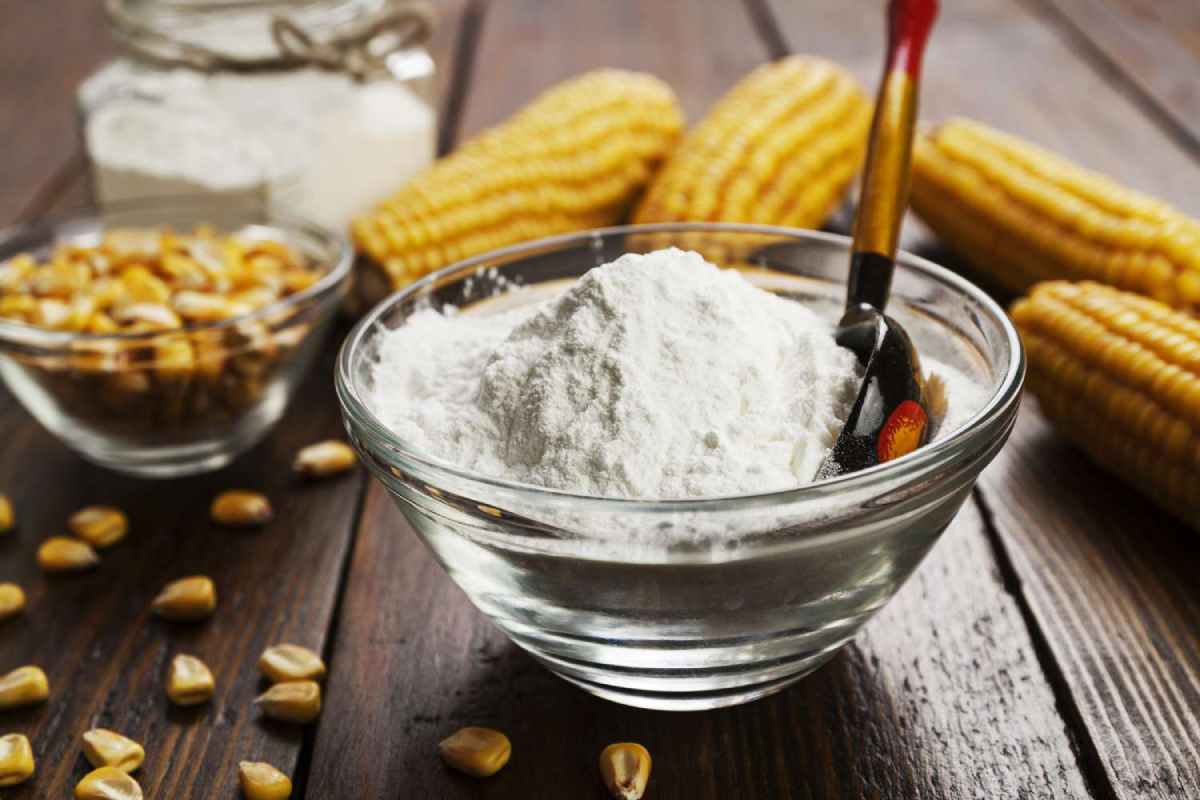
Starch is widely used in everyday cooking. Flour, corn starch, potatoes, rice, oats, and other starchy ingredients are common in kitchens around the world.
One of its most familiar culinary functions is thickening. When starch is heated with liquid, its granules absorb water and swell, creating a thicker mixture.
This property makes starch useful in:
- Soups
- Gravies
- Sauces
- Custards
- Puddings
- Baked goods
- Batters
- Noodles
- Desserts
Cooking techniques can also influence how starch behaves. For example, cooling some cooked starchy foods can increase the amount of resistant starch formed through a process known as retrogradation.
Starch and a Balanced Diet
Starchy foods can be an important source of carbohydrates and energy. However, not all starchy foods provide the same nutritional value.
Whole grains, legumes, and minimally processed starchy vegetables can provide fibre and other nutrients in addition to carbohydrates. Highly processed foods may contain refined starch alongside added sugars, sodium, or saturated fats.
A balanced diet should therefore consider the quality and overall nutritional composition of the food rather than simply classifying foods as “starchy.”
Starchy vegetables and grains can also be combined with a variety of other nutritious foods to create satisfying meals.
For people interested in making broader lifestyle changes, our article on thinking about a vegan diet explores considerations associated with plant-based eating.
Conclusion
Starch is an important plant carbohydrate that provides energy and has many nutritional and culinary functions. It is made primarily from glucose molecules arranged into the polysaccharides amylose and amylopectin.
The body can digest most dietary starch and convert it into glucose for energy. Resistant starch behaves differently, reaching the large intestine where it can be fermented by gut bacteria and produce short-chain fatty acids.
Starch also has important applications in cooking and the food industry. It can thicken sauces, improve textures, bind ingredients, and contribute to the structure of numerous foods.
Rather than avoiding starch altogether, it is generally more useful to consider the type and quality of the food that provides it. Whole grains, legumes, and minimally processed starchy foods can be valuable components of a balanced diet.
Understanding how starch works can help you make more informed choices about carbohydrates and appreciate the important role this versatile plant substance plays in both nutrition and everyday food preparation.