
Table of Contents
What Is Obesity?
Obesity is a chronic, complex condition characterized by excessive accumulation of body fat that can negatively affect health. It is associated with an increased risk of cardiovascular disease, type 2 diabetes, certain cancers, joint problems, reduced quality of life, and other health complications.
Obesity develops through multiple interacting factors, including genetics, eating patterns, physical activity, sleep, medications, environmental influences, and socioeconomic conditions. According to the World Health Organization (WHO), obesity in adults is generally defined as a BMI of 30 kg/m² or higher. WHO: Obesity and Overweight
This Article Belongs To Beauty Tips
Types of Obesity
Obesity Based on BMI
The World Health Organization uses Body Mass Index (BMI) as a commonly used measure for classifying overweight and obesity in adults. BMI is calculated by dividing body weight in kilograms by height in meters squared.
BMI = Weight (kg) ÷ Height² (m²)
For example, if a person weighs 120 kilograms and is 1.65 meters tall:
120 ÷ (1.65 × 1.65) = 44.1 kg/m²
A BMI of 30 kg/m² or higher falls within the obesity range for adults. However, BMI is a screening measure rather than a direct measurement of body fat, so healthcare professionals may consider other measurements and health factors when assessing an individual.
Abdominal or Visceral Obesity
Abdominal obesity, sometimes called android-type obesity, involves a greater accumulation of fat around the abdomen and upper body, including the waist. Excess abdominal or visceral fat is associated with a higher risk of metabolic and cardiovascular health problems.
Maintaining an appropriate level of physical aptitude through regular movement and exercise can be an important part of an overall healthy lifestyle.
Femoral-Gluteal or Gynoid Obesity
Gynoid obesity refers to a pattern in which fat is distributed more prominently around the hips, buttocks, and thighs. Fat distribution can vary considerably between individuals, and waist circumference may be used alongside BMI to provide additional information about health risk.
Causes of Obesity
The causes of obesity are diverse and multifactorial. In simple terms, obesity can develop when energy intake consistently exceeds energy expenditure, causing the body to store additional energy as fat.
However, obesity is not caused by diet or physical activity alone. Genetic factors, sleep, medications, medical conditions, psychological factors, food environments, socioeconomic circumstances, and levels of daily physical activity can all contribute.
Regular physical activity can support weight management and overall health. For additional information, see our guide to physical aptitude and its benefits.
Symptoms of Obesity
Weight gain and increased body fat are the most noticeable features of obesity. Depending on the degree of excess weight and the health conditions associated with it, a person may experience:
- Difficulty sleeping: Obesity can be associated with sleep apnea, which may contribute to daytime sleepiness and poor-quality sleep.
- Back or joint pain: Additional body weight can place increased stress on the joints and musculoskeletal system.
- Excessive sweating
- Heat intolerance
- Skin infections: Moisture and friction in skin folds can increase the likelihood of irritation and infection.
- Fatigue
- Breathing difficulties or shortness of breath
- Low mood or depression: Some people with obesity may also experience psychological or emotional difficulties.
If sleep-related problems are present, our article on somniphobia symptoms, treatments, and how to deal with it provides additional information about sleep-related concerns.
Signs of Obesity
Possible physical signs associated with obesity include:
- Acanthosis nigricans: Thickened, darker areas of skin, often appearing around the neck, armpits, or other skin folds.
- Stretch marks: These may develop when the skin stretches rapidly.
- Swelling or varicose veins: These can occur in the lower limbs and may have several possible causes.
- BMI of 30 kg/m² or higher: This is the standard adult BMI threshold used to classify obesity.
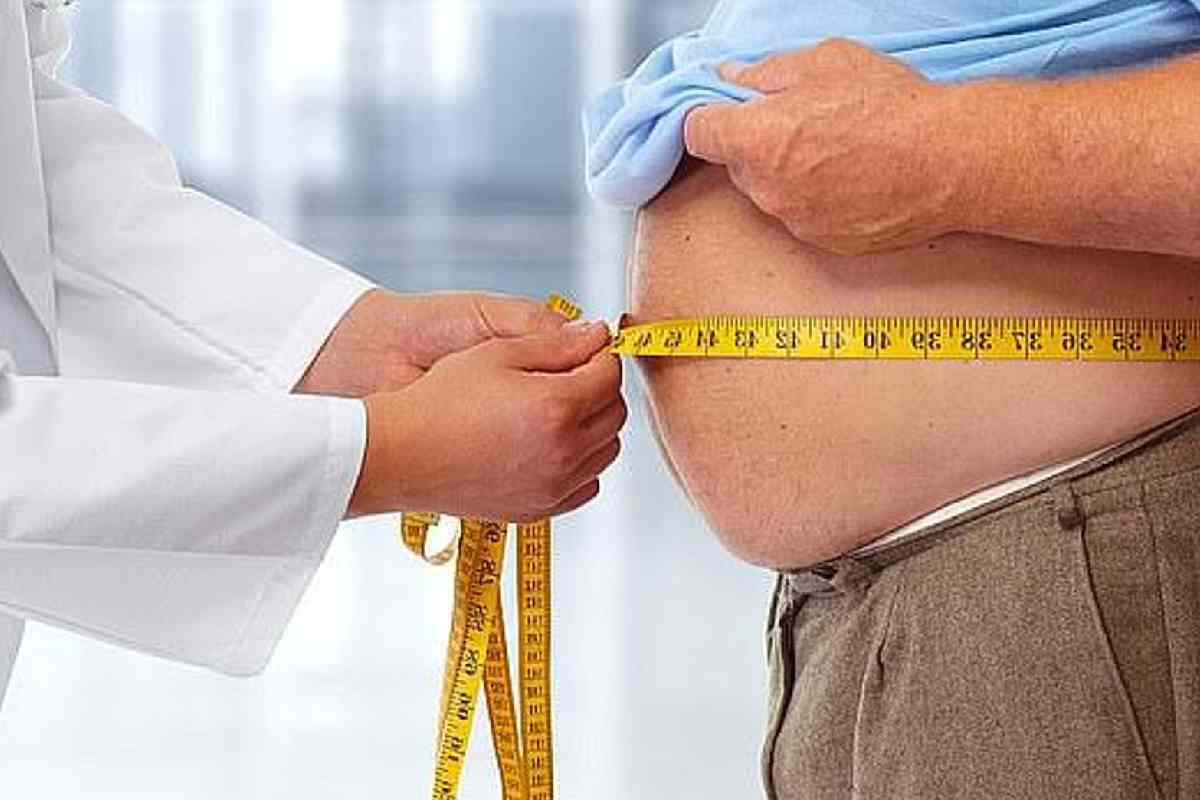
- Increased waist circumference: Waist measurements can provide additional information about abdominal fat distribution and associated health risks.
Diagnosis of Obesity
The diagnosis of obesity generally involves a physical examination, medical history, and measurements such as weight, height, BMI, and waist circumference.
BMI can help healthcare professionals identify whether an adult falls within the obesity range and can be useful when assessing potential health risks. However, BMI should not be considered a complete assessment of an individual’s health because it does not directly measure body fat or distinguish between fat and muscle mass.
Clinical History
A medical history can provide important information about:
- Previous and current body weight
- Age when weight gain began
- Changes or fluctuations in weight
- Previous weight-management attempts
- Eating patterns
- Physical activity levels
- Medications that may affect body weight
- Family history of obesity, type 2 diabetes, high blood pressure, or other related conditions
- Existing metabolic or cardiovascular conditions
- Smoking and alcohol consumption
- Sleep patterns and other lifestyle factors
This information can help healthcare professionals identify factors contributing to weight gain and assess other health conditions that may occur alongside obesity.
Physical Examination
A physical examination may include recording:
- Weight
- Height
- BMI
- Waist circumference
- Blood pressure
Healthcare professionals may also examine the skin for changes such as acanthosis nigricans or stretch marks and check for swelling or other physical findings.
Blood Tests and Imaging Tests
Additional tests depend on an individual’s symptoms, medical history, and risk factors. A healthcare professional may recommend blood tests to evaluate factors such as:
- Blood glucose
- Cholesterol and other blood lipids
- Liver function
- Kidney function
- Thyroid function
Other investigations, such as an electrocardiogram or liver ultrasound, may be recommended when clinically appropriate to assess associated health conditions.
Nutrition and Obesity
Nutrition plays an important role in overall health and weight management. A balanced eating pattern can provide essential nutrients while helping support healthy energy intake.
Foods such as vegetables, fruits, legumes, whole grains, nuts, and other nutrient-rich foods can be part of a balanced diet. For more information about nutrient-rich foods, read our article on sprouts and the power of vitamins.
Conclusion
Obesity is a chronic and complex health condition involving excessive accumulation of body fat. It can affect many aspects of health and is associated with an increased risk of conditions such as cardiovascular disease, type 2 diabetes, certain cancers, joint problems, and sleep-related disorders.
BMI is commonly used to classify obesity in adults, while waist circumference and other clinical measurements can provide additional information about body-fat distribution and health risk.
Because obesity can have multiple causes, assessment and management may involve nutrition, physical activity, sleep, medical evaluation, behavioral changes, and other appropriate interventions. Anyone concerned about their weight or related symptoms should discuss them with a qualified healthcare professional.