
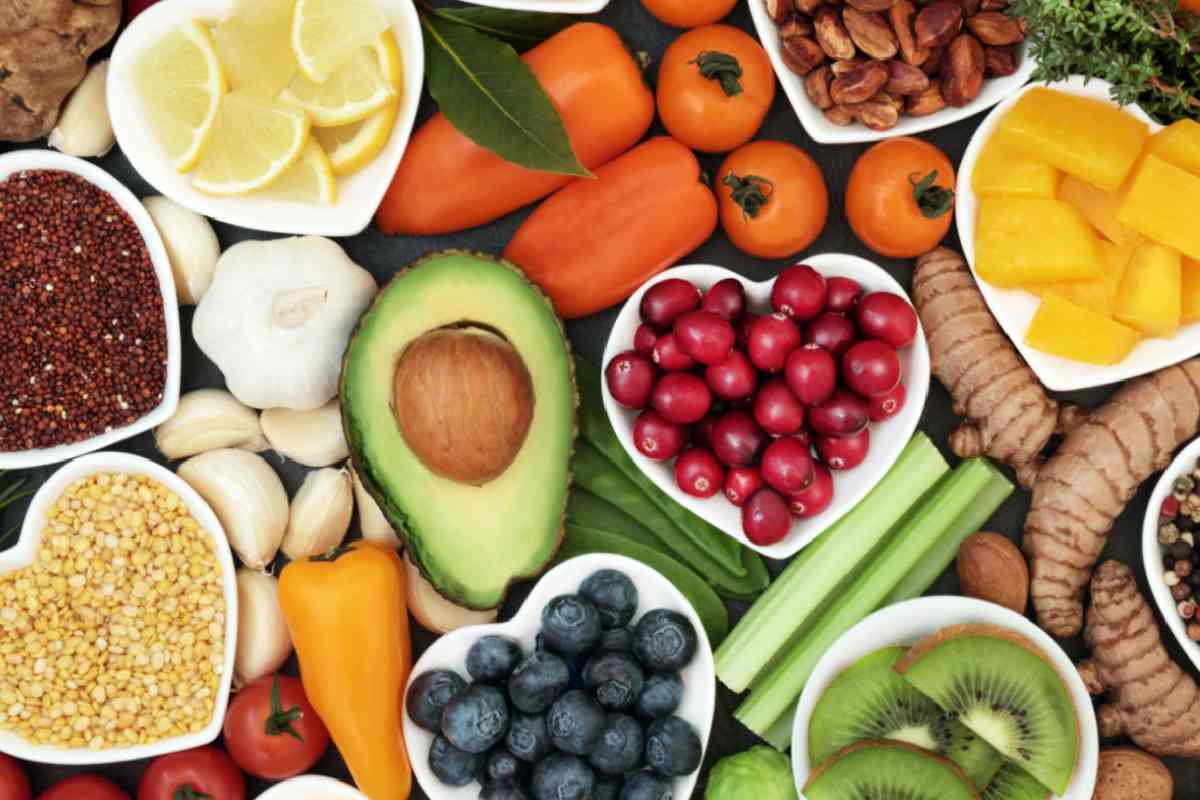
What is Nutrition?
Nutrition is the biological process through which living organisms obtain and use nutrients from food and other sources. In humans and animals, nutrients provide the energy and essential building blocks needed for growth, repair, metabolism, immunity, and the normal functioning of the body.
In plants and other organisms, nutrition involves obtaining or producing the substances required for survival and development.
This Article Belongs To Beauty Tips
Good nutrition is closely connected to food choices, overall health, and a balanced diet. A nutritious eating pattern can support physical and mental well-being throughout life.
For authoritative information about healthy eating and nutrition, readers can also refer to the World Health Organization’s healthy diet guidance.
What Are the Main Components of Nutrition?
Nutrition involves several important aspects, including:
- Food and feeding: Choosing and consuming foods that provide essential nutrients.
- Health: Using nutrients to support normal body functions, growth, and disease prevention.
- Balanced diet: Consuming an appropriate variety and amount of foods to meet nutritional requirements.
Types of Nutrition
Nutrition can broadly be classified into two major types: autotrophic nutrition and heterotrophic nutrition.
Autotrophic Nutrition
Autotrophic nutrition refers to the ability of an organism to produce its own organic food from simpler inorganic substances.
Plants are the most familiar example. Through photosynthesis, plants use sunlight, carbon dioxide, and water to produce glucose and release oxygen.
Organisms that obtain energy from light are known as photoautotrophs. Certain microorganisms, meanwhile, obtain energy from chemical reactions and are known as chemoautotrophs.
Autotrophic organisms form the foundation of many ecosystems because they produce organic matter that can ultimately support other organisms.
Heterotrophic Nutrition
Heterotrophic nutrition occurs when organisms cannot produce their own food and instead obtain nutrients and energy from organic matter produced by other organisms.
Humans and other animals are heterotrophs. Fungi, many bacteria, and numerous protozoa also rely on heterotrophic nutrition.
Heterotrophic organisms may obtain nutrients by consuming plants, animals, microorganisms, or decomposing organic material, depending on the species.
Benefits of Good Nutrition
A balanced and nutritious diet can contribute to overall health in several ways.
1. Supports Healthy Growth
Adequate nutrition provides the protein, vitamins, minerals, fats, and carbohydrates needed for growth, tissue repair, and normal development.
2. Supports Heart Health
Eating a diet rich in vegetables, fruits, whole grains, legumes, nuts, and other nutrient-dense foods can contribute to cardiovascular health, particularly when it replaces foods high in saturated fat, added sugar, and excess sodium.
3. Helps Maintain a Healthy Weight
A balanced diet combined with regular physical activity can help support a healthy body weight and reduce the risk of obesity.
4. Supports the Immune System
Adequate intake of essential nutrients helps the immune system function normally. Vitamins and minerals such as vitamin C, vitamin D, zinc, and iron play important roles in maintaining normal immune function.
5. Provides Antioxidants
Many fruits, vegetables, nuts, seeds, and whole grains contain compounds with antioxidant properties. These compounds help protect cells from oxidative stress.
6. Supports Healthy Aging
A nutrient-rich diet combined with regular physical activity, adequate sleep, and other healthy lifestyle habits can support healthy aging and overall quality of life.
For another lifestyle-focused approach to well-being, read about the benefits of garden therapy.
Potential Effects of Poor Nutrition
Consistently poor nutrition can contribute to a variety of health problems. Depending on the person’s diet and lifestyle, these may include:
- Unhealthy weight gain or weight loss
- Nutrient deficiencies
- High blood pressure
- Unhealthy cholesterol levels
- Poor bone health
- Reduced immune function
- Increased risk of certain chronic diseases
Both inadequate food intake and excessive consumption of highly processed foods can negatively affect nutritional health.
Nutrition Precautions
Maintaining a healthy diet does not require eliminating individual foods completely. Instead, focus on balance, variety, and appropriate portions.
Some practical recommendations include:
- Learn to choose nutritious foods: Prioritize vegetables, fruits, whole grains, legumes, nuts, seeds, and other nutrient-dense foods.
- Limit processed foods: Reduce excessive consumption of foods high in added sugars, sodium, and unhealthy fats.
- Moderate red and processed meat: When consumed, keep portions reasonable and include a variety of other protein sources.
- Stay physically active: Regular exercise complements healthy eating and supports cardiovascular health, muscle strength, and weight management.
- Maintain dietary variety: Eating different foods helps provide a wider range of essential nutrients.
Readers interested in healthcare and professional health education can also explore our article about why study nursing in Canada.
Importance of Nutrition
The primary role of nutrition is to provide the body with the nutrients it needs to function properly.
The body uses nutrients for numerous processes, including:
- Producing energy
- Building and repairing tissues
- Supporting the immune system
- Maintaining bones and muscles
- Regulating metabolism
- Supporting brain function
- Maintaining normal organ function
Nutrients include carbohydrates, proteins, fats, vitamins, minerals, water, and other essential dietary components.
Nutrition is particularly important during childhood, adolescence, pregnancy, older age, and periods of illness or recovery because nutritional requirements can change throughout life.
How to Maintain Healthy Nutrition
Maintaining good nutrition starts with consistent and sustainable eating habits. No single food provides every nutrient the body needs, which is why dietary variety is essential.
A balanced diet should include appropriate amounts of different food groups.
Bread and Cereals
Whole-grain bread, oats, brown rice, and other whole grains can provide carbohydrates, fiber, vitamins, and minerals. Carbohydrates are an important source of energy for everyday activities.
Whenever possible, choose whole grains over highly refined grain products.
Fruits and Vegetables
Fruits and vegetables are excellent sources of vitamins, minerals, fiber, and numerous plant compounds.
Eating a variety of colorful fruits and vegetables can help increase the range of nutrients in your diet.
Dairy Products
Milk, yogurt, cheese, and fortified dairy alternatives can provide calcium, protein, and other nutrients. Calcium is particularly important for maintaining healthy bones and teeth.
People who avoid dairy can consider appropriately fortified alternatives to help meet their nutritional requirements.
Eggs, Meat, and Fish
Eggs, poultry, fish, and meat can provide high-quality protein along with nutrients such as iron, zinc, and vitamin B12.
Fish can also provide omega-3 fatty acids, depending on the variety.
Legumes and Nuts
Beans, lentils, peas, chickpeas, nuts, and seeds are valuable components of a balanced diet. They can provide protein, fiber, healthy fats, vitamins, and minerals.
Including a variety of plant-based protein sources can make a diet more diverse and nutritionally balanced.
The Role of Lifestyle in Good Nutrition
Nutrition works best as part of a broader healthy lifestyle. Regular physical activity, adequate sleep, hydration, stress management, and healthy eating habits all contribute to overall well-being.
Healthy living can also involve enjoyable activities that support mental and emotional wellness. For entertainment and lifestyle content, you can explore our article about celebrity-themed slots.
Conclusion
Nutrition is the process through which organisms obtain and use the nutrients necessary for life. In humans, proper nutrition provides energy, supports growth and tissue repair, helps maintain normal body functions, and contributes to long-term health.
A healthy diet should contain a variety of nutrient-dense foods, including fruits, vegetables, whole grains, legumes, nuts, seeds, and appropriate sources of protein and healthy fats.
Rather than focusing on a single food or nutrient, aim for an overall balanced eating pattern that meets your individual nutritional needs.
Important: This article is provided for general educational and informational purposes and should not be considered a substitute for professional medical or nutritional advice. If you have specific dietary requirements, allergies, a medical condition, or concerns about your nutrition, consult a qualified healthcare professional or registered dietitian.