
Table of Contents
Garden Therapy: Benefits it Generates
Many people think that taking care of a vegetable garden or a garden, even a small one on a house balcony, is simply a pastime. In reality, it can be much more. Experts have even coined the expressions garden therapy and horticultural therapy to describe the therapeutic benefits of interacting with plants and nature.
Garden therapy is considered a form of care and rehabilitation through nature. Plants, flowers, and gardening activities can support psychophysical well-being and may help people improve in several areas of daily life.
This Article Belongs To Beauty Tips
Taking Care
It Is a Kind of Care With Nature
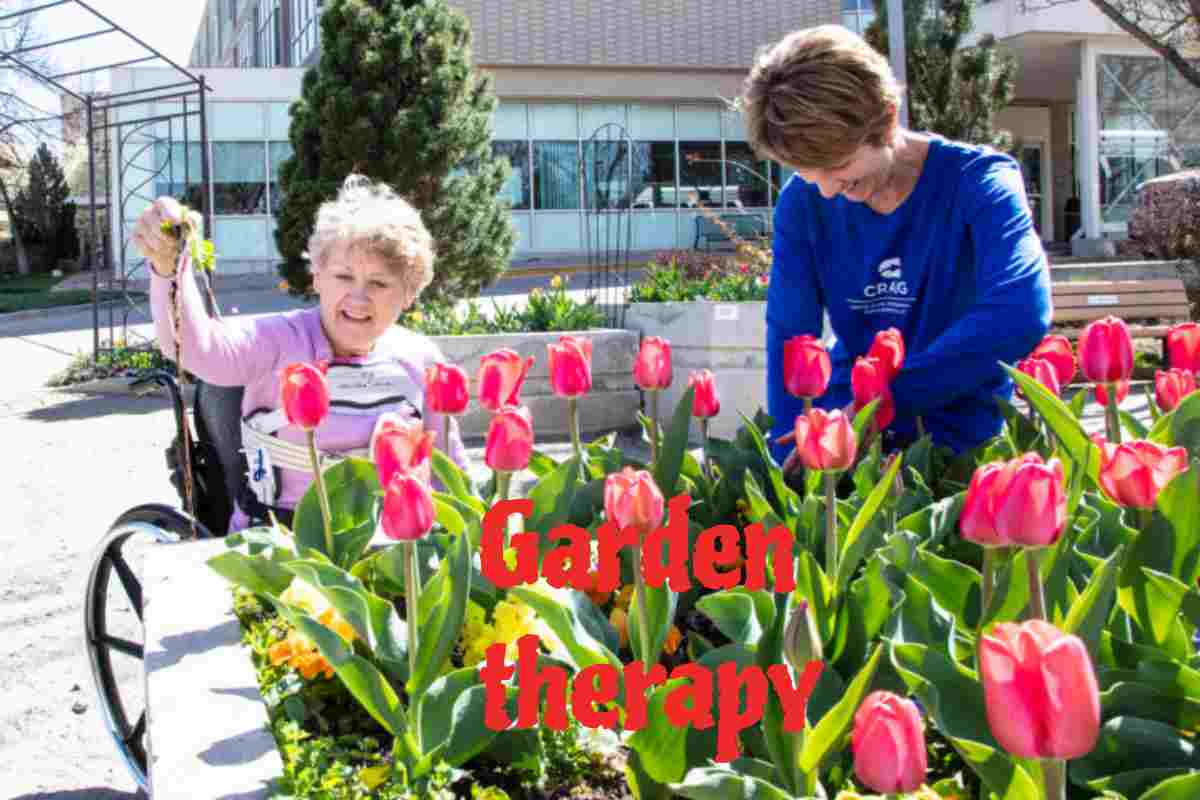
Horticultural therapy, also known as garden therapy, refers to rehabilitation and supportive activities involving the planting and care of flowers, plants, and vegetables. It can also include environmental education, landscape programs, and support projects for people experiencing different challenges, including those associated with ageing.
Plant-assisted activities can therefore serve as a natural form of supportive care. Professionals and organizations may design therapeutic gardens specifically to encourage interaction between people and nature.
According to the American Horticultural Therapy Association, a therapeutic garden is a plant-dominated environment specially designed to encourage interaction with the healing elements of nature. You can learn more about horticultural therapy through the American Horticultural Therapy Association.
Depending on the garden’s design and the individual’s needs, interactions may be passive or active. Therapeutic gardens can include sensory, restorative, rehabilitation, and enabling spaces. Depending on the person’s condition or abilities, horticultural therapy may help develop fine motor skills, concentration, stamina, hand-eye coordination, independence, and a sense of control.
The Effects in Case of Diseases
Interaction with nature, even through the simple act of observing trees or spending time in garden-like environments, can have positive therapeutic effects. For example, research has suggested that hospital patients recovering from surgery may recover faster when they have a view of trees or natural surroundings compared with patients who do not.
Other studies have found that simply viewing a garden from a balcony may support mood, sleep quality, concentration, and tranquillity in older adults, including those experiencing depression. If there is an opportunity to visit a garden and walk in nature, the benefits may be even greater.
For people interested in healthcare and rehabilitation, learning about subjects related to patient care can also be valuable. Those considering healthcare education can explore this guide to why study nursing in Canada to learn more about the field.
It Gives Great Satisfaction
Garden therapy is not only potentially beneficial for people dealing with illness or disability. It can also help many people experience greater psychophysical well-being.
You do not necessarily need formal horticultural therapy sessions or professional support to enjoy some of the positive effects of interacting with nature. Even do-it-yourself gardening can provide an opportunity to slow down, focus attention, and care for something living.
How you practise this activity depends on the time, space, and resources available. Some people may have enough land to create a vegetable garden, while others may simply cultivate a few herbs or flowering plants in pots on a balcony.
The size of the garden does not necessarily determine the experience. Planting tiny seeds and watching them develop into green shoots, seedlings, and eventually flowers, herbs, or vegetables can provide a strong sense of satisfaction. It can feel similar to the pleasure an artist experiences when seeing a finished creation.
It Is a Reassuring Activity
Garden Therapy: What It Is and What Benefits It Generates
The more regularly you care for your plants, the more familiar and rewarding the activity can become. Gardening provides a tangible connection between effort and results.
Unlike some everyday situations where outcomes can be uncertain, gardening allows people to see the gradual effects of their attention and care. A healthy plant can provide a reassuring sense of progress and accomplishment.
From this point of view, garden therapy can be calming. You invest time and attention and can eventually see something grow as a result. The familiar saying “you reap what you sow” is particularly appropriate when describing this experience.
Helps Remove Worries
The actions involved in gardening are often repetitive and predictable. Over time, watering plants, removing weeds, pruning, planting, and caring for soil can become a soothing routine.
This routine may help shift attention away from negative thoughts and everyday worries. Gardening can also provide an opportunity to practise concentration and relaxation, making it a potentially useful leisure activity for people experiencing everyday stress or anxiety.
Garden therapy may also encourage social interaction. People who care for flowers, herbs, or vegetables often enjoy sharing their plants, gardening tips, or produce with friends, neighbours, and family members.
A green corner, whether large or small, can also enhance the visual appeal of a living space. The sight of greenery and colourful flowers may provide a pleasant sensory experience and contribute to a greater feeling of calm.
For readers interested in other forms of entertainment and relaxation, celebrity-themed slots offer another type of leisure activity.
For readers interested in other wellness-related topics, you can also explore information about motion sickness causes and symptoms and ways to better understand common travel-related discomforts.
The Other Positive Effects of Garden Therapy
Here are some other potential benefits associated with gardening and horticultural therapy:
- Stimulates problem-solving skills.
- Encourages concentration and attention.
- Supports physical activity and movement.
- May help improve fine and gross motor skills.
- Can encourage independence and a sense of accomplishment.
- Allows people to experience a less artificial and more natural environment.
- Provides an opportunity to reconnect with slower, natural rhythms.
- Can promote feelings of joy and serenity.
- Encourages social interaction and connection with others.
- Provides a meaningful activity that can be adapted to different ages and abilities.
Garden therapy does not have to involve a large garden or complicated equipment. Even caring for a few plants on a balcony or windowsill can provide a simple way to spend time with nature and create a regular, rewarding routine.