
Table of Contents
Eight Reasons
This Article Belongs To Beauty Tips
Tofu, also known as bean curd, has become increasingly popular as a plant-based source of protein. It is widely used by vegetarians and vegans and can provide protein, iron, calcium, and other nutrients.
However, while tofu can be part of a balanced diet for many people, some individuals may have concerns about soy consumption, food sensitivities, thyroid conditions, or the way soy products are processed.
It is important to distinguish between established scientific evidence and claims that remain controversial. Rather than assuming that tofu is universally unhealthy, it is more accurate to understand its potential disadvantages and decide whether it fits your individual dietary needs.
For a broader look at different approaches to eating and nutrition, see our guide to nutrition types and their advantages.
Is All Soy Bad?
Soybeans are used to make a wide range of foods, including tofu, soy milk, edamame, tempeh, miso, natto, and tamari. These products are not nutritionally identical, and processing methods can significantly affect their characteristics.
Soy foods are commonly divided into two broad categories:
- Non-fermented soy products: tofu, edamame, and soy milk
- Fermented soy products: tempeh, miso, natto, and some forms of tamari
Soy also contains naturally occurring compounds such as phytates, protease inhibitors, and isoflavones. Some of these compounds are sometimes described as “antinutrients,” although their presence does not automatically make soy harmful. Preparation and overall dietary intake are important considerations.
What Is Tofu?
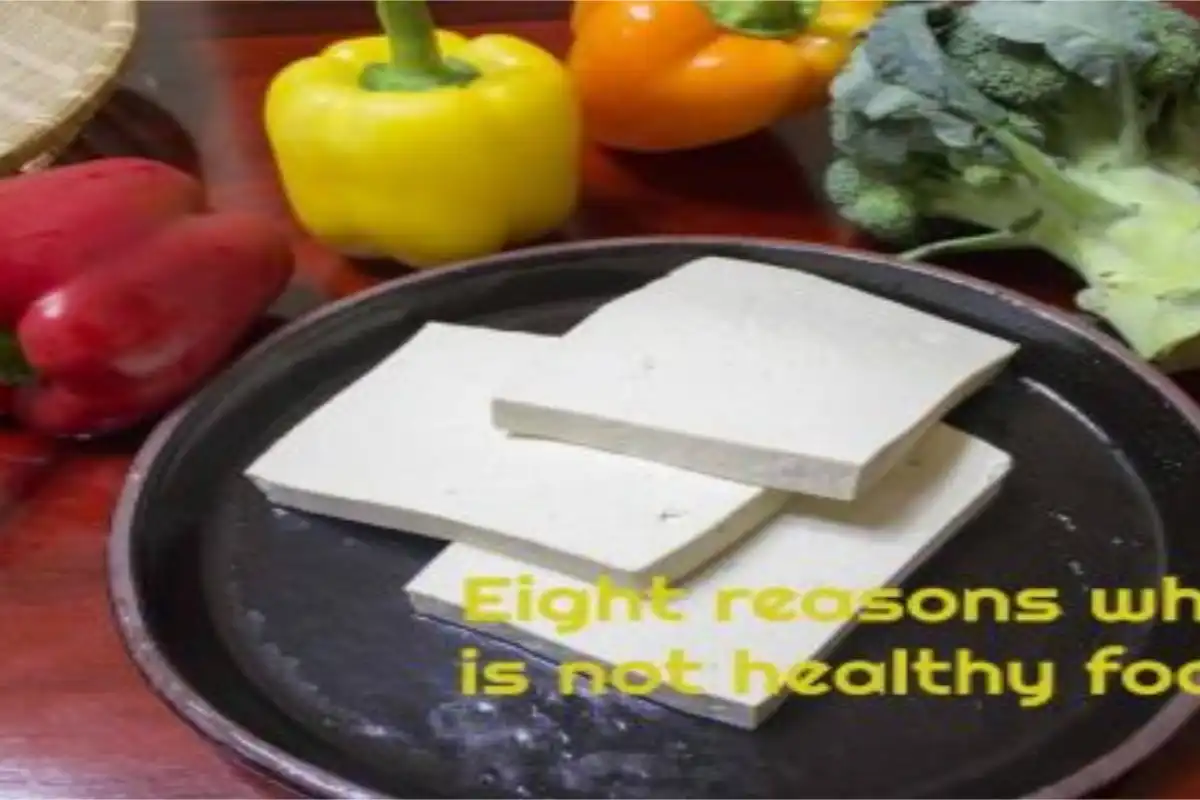
Tofu is made by coagulating soy milk and pressing the resulting curds into blocks. The process is somewhat similar to making cheese from dairy milk.
Depending on the variety, tofu can be relatively low in calories and saturated fat while providing a substantial amount of protein. It can also contain nutrients such as calcium and iron, particularly when calcium salts are used during production.
Nevertheless, there are several reasons why some people may choose to limit or avoid tofu.
8 Potential Concerns About Tofu
1. Genetically Modified Soy
A large proportion of soybeans grown in the United States are genetically modified. This has led to concerns among some consumers about the potential effects of genetically modified soy foods.
However, it is important to distinguish between concerns about genetically modified crops and evidence about the safety of approved GMO foods. Regulatory and scientific organizations generally consider approved genetically modified foods to be safe to eat.
Consumers who prefer to avoid genetically modified ingredients can choose organic or non-GMO-labeled tofu.
The quality of the overall diet is also more important than focusing on a single ingredient. A varied diet containing vegetables, fruits, whole grains, legumes, nuts, seeds, and other minimally processed foods can provide a broad range of nutrients.
2. Phytoestrogens and Breast Health
Soybeans contain naturally occurring compounds called isoflavones, which are a type of phytoestrogen. These compounds can interact with estrogen receptors in the body, which has generated considerable interest in soy and breast health.
However, the relationship is more complicated than simply stating that tofu causes or promotes breast cancer. Research in humans has not established that moderate consumption of traditional soy foods increases breast cancer risk, and some studies have found potentially protective associations.
People who have breast cancer or are undergoing cancer treatment should discuss their soy intake with their healthcare professional rather than relying on blanket recommendations to avoid all soy products.
For evidence-based information about soy and cancer, readers can consult the National Cancer Institute’s information on soy and cancer.
3. Thyroid Concerns
Soy contains isoflavones and other compounds that can affect thyroid-related processes under certain circumstances. This is particularly relevant for people who already have thyroid disorders or inadequate iodine intake.
For most people with adequate iodine intake, moderate soy consumption is not generally considered a reason to avoid soy altogether. However, individuals taking thyroid medication may need to pay attention to timing because soy can interfere with the absorption of some thyroid medicines.
Anyone with hypothyroidism or another thyroid condition should discuss significant dietary changes with their healthcare provider.
4. Antinutrients
Soybeans naturally contain compounds such as phytate and protease inhibitors. These substances can affect the absorption or digestion of certain nutrients and are therefore sometimes called antinutrients.
However, this does not mean that eating tofu automatically causes nutrient deficiencies.
Processing methods such as soaking, cooking, sprouting, and fermentation can reduce some antinutritional compounds. Tofu production itself also involves processing soybeans, which can alter their nutritional characteristics.
The practical concern is therefore not simply whether tofu contains phytates, but how much soy a person consumes and how it fits into the rest of their diet.
5. Possible Cognitive Health Concerns
Research into soy consumption and cognitive function has produced mixed results.
Some observational studies have reported associations between high consumption of certain soy products and differences in cognitive performance among specific populations. However, observational research cannot establish that tofu itself causes dementia, Alzheimer’s disease, or cognitive decline.
Other research has investigated whether soy isoflavones may have neutral or potentially beneficial effects on cognitive health.
Consequently, it would be inappropriate to conclude that tofu directly causes cognitive problems. More research is needed to understand how soy intake, age, genetics, overall diet, and other lifestyle factors interact.
Maintaining overall brain health also involves regular physical activity, adequate sleep, social engagement, and a nutrient-rich diet. For another lifestyle-focused topic, explore our article on the benefits of garden therapy.
6. Vitamin B12 and Vitamin D Considerations
Tofu is not a reliable natural source of vitamin B12. This is particularly important for people following vegetarian or vegan diets because vitamin B12 is primarily found naturally in animal-derived foods.
However, the absence of B12 in tofu does not mean that tofu causes vitamin B12 deficiency. Instead, people following plant-based diets should obtain B12 through fortified foods or an appropriate supplement when necessary.
Vitamin D is another nutrient that deserves attention. Tofu generally does not provide significant vitamin D unless it has been fortified.
Anyone following a restricted diet should make sure they are obtaining sufficient amounts of essential nutrients through a varied diet, fortified foods, or supplements when recommended by a healthcare professional.
7. Digestive Problems and Soy Sensitivity
Some people experience digestive discomfort after consuming soy products. Symptoms may include:
- Bloating
- Gas
- Abdominal discomfort
- Indigestion
- Changes in bowel habits
Soy contains compounds that can affect digestion, and individual tolerance varies considerably.
People with a soy allergy should avoid tofu and other soy-containing foods according to medical advice. A soy allergy is different from a simple food sensitivity, and people who experience recurring symptoms after eating soy should speak with a healthcare professional rather than attempting to self-diagnose.
The amount consumed can also matter. Someone who tolerates a small serving of tofu may experience discomfort after consuming large amounts of soy products.
8. Potential Heart Health Considerations
Tofu is frequently promoted as a heart-friendly replacement for foods that are high in saturated fat, but the effects of soy on cardiovascular health depend on the overall dietary pattern.
Replacing processed or high-saturated-fat foods with minimally processed soy foods may be beneficial as part of a balanced diet. However, tofu itself should not be viewed as a cure or guaranteed protection against heart disease.
The nutritional profile of the entire meal matters. Tofu served with vegetables, whole grains, and healthy fats is very different from a highly processed meal containing large amounts of sodium, refined carbohydrates, and added fats.
Should You Avoid Tofu?
For most people, there is no need to automatically eliminate tofu from the diet. Tofu can be a convenient source of plant-based protein and can fit into a balanced eating pattern.
However, some people may choose to limit or avoid it because of:
- A diagnosed soy allergy
- Individual digestive intolerance
- Personal dietary preferences
- Concerns about highly processed foods
- Specific medical or nutritional circumstances
- Interactions with certain medications
Rather than labeling tofu as universally “bad,” it is more useful to consider how much you eat, what type of tofu you choose, how it is prepared, and what the rest of your diet looks like.
The Bottom Line
Tofu has both nutritional advantages and potential drawbacks. It provides protein and several important nutrients, but some people may experience digestive symptoms or need to consider soy intake because of an allergy, medication, or particular medical condition.
Many claims about tofu and serious diseases remain the subject of scientific research, so they should not be presented as established facts without strong evidence.
A balanced diet should emphasize variety rather than relying heavily on any single food. If you have a medical condition, take prescription medication, or are considering eliminating a major food group, consult a qualified healthcare professional for individualized advice.
For readers interested in lifestyle and entertainment content alongside health and nutrition topics, you can also explore our guide to celebrity-themed slots.